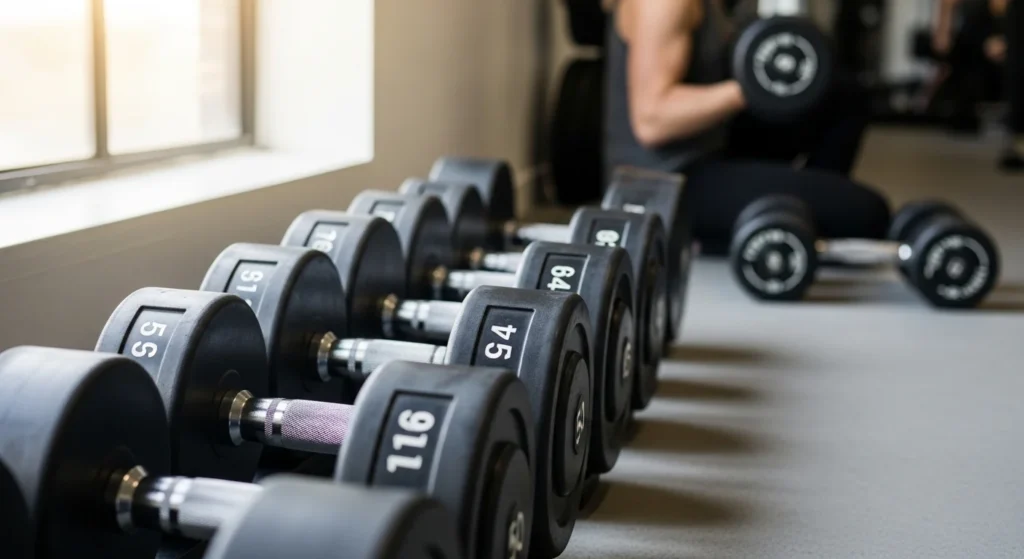
If you’ve ever shopped for home gym gear and punched in “why are dumbbells so expensive” into a search bar, you’re not alone. Few purchases in strength training cause as much sticker‑shock as a simple pair of dumbbells — literally just metal weights with a handle, right? Yet prices for quality dumbbells routinely start at tens of dollars per pound and climb steeply from there.
The Economics Behind Dumbbell Pricing
At first glance, dumbbells seem incredibly simple — metal masses with a handle. But to manufacturers, retailers, and global supply chains, they are anything but simple. The final retail price is the result of multiple compounding cost factors, from volatile material markets and heavy logistics to branding and precision manufacturing standards.
At its core:
- Dumbbells are heavy products, so raw material costs are inherently high.
- Production isn’t just “pour metal and go” — there are precision and safety standards.
- Logistics and distribution costs scale quickly with weight.
- Brand reputation, warranty costs, and retail strategy add further pricing layers.
Let’s break these down in detail.
Major Cost Drivers Explained
Raw Materials: The Foundation of Pricing
One of the biggest factors behind “why are dumbbells so expensive” lies in raw material costs — particularly steel and cast iron. Dumbbells must be dense and durable, which means manufacturers can’t cut corners on metal quality without sacrificing safety or longevity.
Key material considerations:
- Steel & Cast Iron: These form the core of most high‑quality dumbbells. Their prices fluctuate with global commodity markets. Steel alone is used extensively across industries like automotive, construction, and infrastructure — which keeps demand (and prices) elevated.
- Rubber, Urethane & Coatings: Many premium dumbbells are coated in rubber or urethane. These coatings protect floors, improve grip comfort, and resist rust or cracking — but they add manufacturer cost due to material and processing.
- Special Finishes: Chrome or neoprene coatings enhance aesthetics and ergonomics but carry a higher price tag.
Because dumbbells are priced largely by weight, more metal directly increases the base retail price. A 50‑pound dumbbell simply contains more raw materials than a 5‑pound one, and that metal doesn’t come cheap.
Manufacturing and Precision Engineering
Once the raw materials are sourced, there’s a significant industrial process before a dumbbell ever hits a gym:
- Casting or Forging: This involves melting and shaping metals — an energy‑intensive and labor‑intensive step.
- Machining: High‑end dumbbells are machined to precise weight tolerances and smooth finish standards.
- Knurling: The handle texture (knurling) is more than cosmetic — it enhances grip and safety but must be cut accurately, adding cost.
- Assembly & Finish Coating: Rubber‑ or urethane‑coated dumbbells require additional production steps and quality checks.
These steps require specialized equipment, skilled labor, and quality control oversight — all of which raise the production cost compared to a simple mass of metal.
Shipping and Logistics: A Hidden Pricing Factor
When you buy dumbbells online or walk into a store, part of the price reflects logistics costs — often invisible to consumers. Because dumbbells are heavy and dense:
- Freight charges (especially international shipping) are high.
- Trucks and cargo containers are billed by weight and density.
- Last‑mile delivery costs scale significantly with heaviness and parcel size.
If shipping were inexpensive, retailers could pass greater savings to customers. But because lifting heavy dumbbells through the supply chain — from factory to dock to warehouse to home — involves real costs, manufacturers build these into the sticker price. This is why some companies “offer free shipping” yet still charge relatively high product prices: they’ve already absorbed the logistics into the product cost.
Import Tariffs, Retail Markup & Brand Economics
Even after production and shipping, dumbbells go through a retail value chain:
- Import tariffs: These are taxes levied on goods crossing borders and increase cost for imported products.
- Retail markup: Fitness equipment sellers add margins to cover operating costs, marketing, and profit.
- Brand positioning: Premium brands (established by reputation and warranty support) often charge more because customers trust their quality and longevity.
Brand reputation influences price almost as much as material quality. Customers are paying not just for metal and rubber, but for trust, warranty support, and reliable performance.
Why Adjustable Dumbbells Cost More
Adjustable dumbbells — like those from select premium brands — often command even higher prices than fixed ones.
Why?
- They contain mechanical locking mechanisms.
- Components require tight manufacturing tolerances.
- Moving parts and adjustment systems add R&D and engineering costs.
The complexity of making one dumbbell serve multiple weight ranges adds significant engineering expense beyond the raw metal cost.
Value vs. Cheap Dumbbells: What You’re Really Paying For
Some gym owners and consumers ask, “Can’t I just buy cheap dumbbells?” The reality is that budget sets do exist, but they often sacrifice:
- Durability
- Weight accuracy
- Grip quality
- Floor and equipment protection
- Corrosion resistance
In commercial facilities with heavy daily use, cheap dumbbells may wear down quickly, costing more over time in replacements and maintenance.
Premium dumbbells, on the other hand:
- Stand up to frequent use
- Retain weight accuracy
- Provide ergonomic handling
- Often include warranties
In many cases, a higher upfront cost means lower long‑term ownership costs.
How Market Trends Have Affected Dumbbell Prices
Recent history, especially during and after the pandemic era, dramatically shifted fitness equipment markets:
- Home gyms surged in popularity.
- Demand for dumbbells spiked worldwide.
- Supply chains strained under unexpected demand.
These dynamics created a new pricing baseline, and even though supply stabilized somewhat, prices haven’t dropped back to pre‑shock levels because demand remained strong.
Are Expensive Dumbbells Worth It?
An important question for fitness enthusiasts: Are dumbbells worth the investment?
The answer depends on your goals.
You likely benefit from higher‑quality dumbbells if:
- You train consistently (several times a week).
- You push heavier weights.
- Safety and longevity are priorities.
- You want accurate weight progression.
- You invest in equipment you plan to use for years.
Expensive dumbbells are not just about price — they’re about performance, longevity, and training confidence.
How to Save Money Without Sacrificing Quality
If high dumbbell prices are intimidating, here are smart strategies:
Buy a Set Instead of Singles
Manufacturers often offer more competitive pricing on full sets rather than individual pairs.
Consider Adjustable Dumbbells
While pricier initially, adjustable systems replace multiple pairs, optimizing space and cost.
Look for Second‑Hand Equipment
Used dumbbells are widely available because they don’t “wear out” like other gear; this can be a huge cost saver if you inspect them carefully.
Choose Balance of Material and Price
Cast iron might be more affordable than urethane‑coated options, and still highly durable for most lifters.
Frequently Asked Questions (FAQs)
Why do heavier dumbbells cost disproportionately more?
Because dumbbells are priced by weight plus manufacturing complexity, heavier dumbbells require more raw materials and incur higher logistics costs.
Are adjustable dumbbells overpriced?
They tend to cost more due to precision engineering and locking mechanisms that let them replace multiple fixed weights.
Do cheaper dumbbells last?
Budget options are usable but often wear out faster, lose grip quality, or corrode, making them less cost‑effective over time.
Does brand name really affect price?
Yes. Established brands build reputation, quality control, and warranty services into pricing — which adds to cost but delivers reliability.
How much should a good set of dumbbells cost?
High‑quality dumbbells typically cost around $1.50 to $2 per pound or more depending on material and brand.
Is buying used a good option?
Yes — since dumbbells don’t deteriorate like electronics or machines, used ones can be a great value if they’re in good condition.
Why don’t dumbbell prices drop even when demand stabilizes?
Because production costs, material markets, and long‑term demand remain high — maintaining a pricing floor that’s resistant to quick drops.
Conclusion
So if you’re still pondering the question “why are dumbbells so expensive,” here’s the bottom line:
Dumbbell prices reflect the true cost of their materials, manufacturing complexity, logistics challenges, retail economics, and global demand dynamics.
They’re not just “chunks of metal.” They are engineered fitness tools made to endure heavy loads, repetitive handling, and long operational life. When you invest in quality dumbbells, you’re paying for durability, safety, accuracy, and training confidence — not just a weight on a handle.