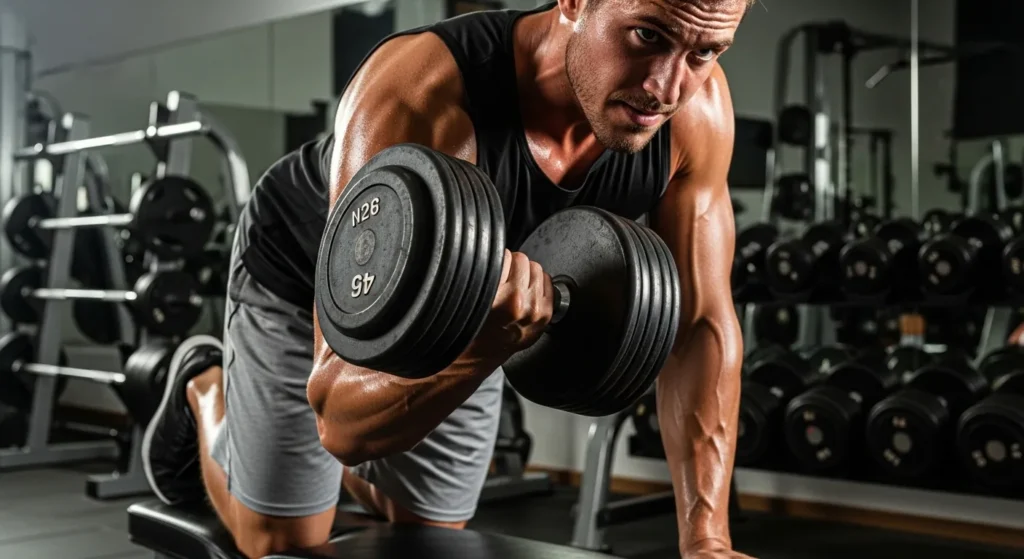
When you first step up to a pair of dumbbells, one of the biggest questions is: how heavy are the dumbbells you lift? This isn’t just a curiosity, it’s central to effective strength training, muscle growth, and injury prevention. The truth is there’s no single number that fits everyone. Dumbbell weight depends on your experience level, fitness goals, exercise choice, and individual strength capacity. But there are reliable guidelines you can use to choose, progress, and measure the right dumbbell weights at every stage of your journey.
Introduction: Why Dumbbell Weight Matters
Dumbbells are among the most versatile pieces of equipment in strength training. From arm isolations to compound full‑body lifts, they allow for a wide range of exercises — and each of these requires different levels of resistance.
Choosing the right dumbbell weight is key because:
- It determines whether you build strength, muscle size, or endurance.
- Too light means minimal training stimulus; too heavy increases injury risk.
- Dumbbells demand stabilization from your muscles, making weights feel harder than machine alternatives.
Ultimately, the best weights let you perform exercises with good technique — where the last reps are challenging but controlled.
Understanding Dumbbell Weight Ranges
Commercial dumbbells start as light as 1 pound / 1 kilogram and can go well over 50 pounds or more in gyms. Here’s a common breakdown of weight categories:
| Dumbbell Category | Typical Weight Range | Who It’s For |
|---|---|---|
| Light | 1–10 lbs (0.5–5 kg) | Beginners, endurance training, isolation work |
| Moderate | 10–25 lbs (5–12 kg) | Intermediates, compound lifts |
| Heavy | 25+ lbs (12 kg+) | Advanced lifters, strength emphasis |
Those ranges aren’t rigid — they’re a starting point. Your ideal weight within each category depends on your strength, goals, and the exercise you’re performing.
How Dumbbell Weight Varies by Experience Level
Beginners
Beginners should prioritize learning form and building foundational strength. Starting with lighter weights helps reduce injury risk and develops motor control. Many beginners start with dumbbells that are challenging yet comfortable for 8–12 reps with control.
Common beginner ranges:
- Upper body: 3–10 lbs (1.5–5 kg)
- Lower body: 8–20 lbs (4–9 kg)
- Full‑body moves (like goblet squats): 10–20 lbs (4–9 kg)
These are general guides — some may lift more, others less.
Intermediate Lifters
Once you’ve trained consistently for weeks or months:
- You may progress to moderate‑to‑heavy dumbbells.
- For many compound lifts, you might lift 15–30+ lbs (7–14 kg) per hand.
- Exercise‑specific weights become more nuanced (e.g., heavier for squats than for shoulder raises).
Advanced Lifters
Advanced lifters have developed strength, coordination, and muscle endurance:
- They lift heavy dumbbells (25+ lbs / 12+ kg) even for compound exercises.
- Some advanced athletes exceed 50 lbs (22+ kg) per hand for presses and rows.
- Strength comes from progressive overload and training specificity.
These numbers vary widely by body size, training history, and goals.
Choosing Dumbbell Weight by Exercise Type
Not all exercises demand the same weight. Muscle size and movement complexity matter.
Compound Exercises
Compound lifts engage multiple muscle groups and usually allow heavier dumbbells:
- Goblet Squat
- Dumbbell Deadlift
- Dumbbell Bench Press
- Bent‑Over Rows
For example, many intermediates use 20–30+ lbs dumbbells for squats and 15–30 lbs for bench presses, depending on strength.
Isolation Exercises
Isolation movements focus on a specific muscle and usually use lighter weights:
- Lateral raises
- Biceps curls
- Triceps extensions
These often require weights where you can perform control‑focused reps — sometimes 5–15 lbs depending on strength and experience.
Strength Goals and Dumbbell Weight Selection
Your training goal largely determines how heavy your dumbbells should be.
For Strength
If your priority is maximal strength:
- Use heavier dumbbells that you can lift for fewer reps (e.g., 4–6 reps per set).
- Focus on controlled triples and doubles with challenging weights.
For Muscle Size (Hypertrophy)
To build muscle mass:
- The goal is moderate weights that allow 6–12 reps per set with near‑failure.
- Choose weights where the final reps are challenging but maintainable.
For Muscular Endurance
For endurance rather than size or strength:
- Use lighter weights that let you perform 12+ reps with control.
- This builds stamina while still stimulating muscle adaptation.
Progressive Overload & Weight Increases
One of the most essential concepts in strength training is progressive overload — gradually increasing the challenge to keep muscles adapting.
Signs it’s time to increase dumbbell weight:
- You can complete all reps easily with perfect form.
- You finish sets without fatigue or challenge.
- You’ve held a weight for several weeks with no progress.
Increase weight in small increments (e.g., 2–5 lbs / 1–2 kg) to avoid form breakdown and injury.
Common Mistakes When Selecting Dumbbell Weight
Even experienced lifters sometimes misjudge dumbbell weight. Here are pitfalls to avoid:
- Choosing weights by ego: Lifting too heavy to “look strong” leads to poor form.
- Ignoring exercise differences: Expecting the same weight for a shoulder press and a squat.
- Skipping progression: Staying at one weight too long stalls strength gains.
Always prioritize technique over weight. A lighter weight with perfect form is more effective than a heavier weight with poor control.
Beginner Dumbbell Weight Standards
Here’s a rough guide for absolute beginners:
| Exercise | Suggested Starting Weight (lbs) | Suggested Starting Weight (kg) |
|---|---|---|
| Dumbbell Biceps Curl | 5–10 lbs | 2–5 kg |
| Dumbbell Shoulder Press | 5–8 lbs | 2–4 kg |
| Goblet Squat | 10–20 lbs | 4–9 kg |
| Bent‑Over Row | 10–20 lbs | 4–9 kg |
Start light, use good form, and only increase when the final reps are achievable but still challenging.
Intermediate & Advanced Dumbbell Strength Benchmarks
As you progress:
- Bench Press: 20–30+ lbs (9–14 kg) per hand
- Shoulder Press: 15–25 lbs (7–11 kg)
- Deadlift / Squat: 25–50+ lbs (11–22+ kg)
- Rows: 20–40+ lbs (9–18+ kg)
These aren’t competitive lifts but practical ranges for regular training emphasizing strength and hypertrophy.
How to Track Dumbbell Lifting Progress
Tracking progress keeps training intentional:
- Write down weights, reps, and sets each session.
- Log exercise variations (tempo, rest time).
- Update when you complete all reps easily.
Consistency helps you see strength gains over time and prevents plateaus.
FAQs About Dumbbell Weight
What does the phrase how heavy are the dumbbells you lift actually mean?
It refers to the weight of each dumbbell you’re using for an exercise — not combined total unless otherwise specified (e.g., total load in a programmed routine).
How heavy should my dumbbells be if I can already do bodyweight exercises?
Even if you’re comfortable with bodyweight work, starting with moderate dumbbells (10–20 lbs / 4–9 kg) helps integrate resistance training safely.
Is heavier always better for muscle growth?
No. You should use a weight that challenges you within your target rep range. Too heavy can compromise form and increase injury risk.
How often should I increase my dumbbell weight?
Typically every 2–4 weeks, or when you can complete your target reps with ease and good technique.
What if I don’t have adjustable dumbbells?
Start with lighter pairs and gradually add more sets as your strength increases.
Conclusion
There’s no single answer to how heavy are the dumbbells you lift — but there is a smart, evidence‑based way to determine it. The best dumbbell weight is one that:
- Lets you maintain excellent form.
- Challenges your muscles in your target rep range.
- Can be progressed safely over time.
- Matches the exercise type and your strength goals.
Beginners might lift as little as 3–10 lbs (1.5–5 kg) for upper body and 10–20 lbs (4–9 kg) for lower body — while more experienced lifters use heavier weights suited to strength and hypertrophy goals. Always use a gradual, controlled progression and listen to your body.
When you train with intention and consistency, you’ll soon answer that question with personal confidence: how heavy are the dumbbells you lift? — and it will reflect your strength journey.