Most people who start lifting weights have one goal in mind: look better. That is a fine reason to pick up a dumbbell. But somewhere around week four or five, something shifts. Sleep gets noticeably better. The low-grade anxiety that used to follow you around quiets down. Climbing stairs stops being a project. The physique changes come eventually, but those other benefits arrive first, and they are the ones that make people stick with it for years rather than months.
What Are the Real Weightlifting Benefits?
Muscle Mass, Metabolism, and the Afterburn Effect You Did Not Know About
Muscle burns more calories than fat at rest. That is not a fitness influencer talking point, it is physiology. When you consistently do resistance training, you shift your body composition toward a higher ratio of lean mass, which raises your baseline calorie expenditure even on rest days.
Regular weightlifters experience measurable physiological changes: reduced body fat percentage, increased muscle mass, and improved bone density. The extended calorie burn comes from a process called excess post-exercise oxygen consumption (EPOC), sometimes called the afterburn effect, which describes the oxygen your body needs after a workout to restore normal metabolic function. During that recovery window, calories continue to burn.
A small but notable study published in the Journal of Exercise and Sport Quarterly Research found that resistance training created an elevated resting metabolic rate at both 12 and 21 hours after the session, which steady-state aerobic exercise did not replicate. That is not an argument against cardio. It is an argument for not treating weights as optional.
Cardiovascular Health: The Benefit Most Lifters Overlook
Weightlifting is usually marketed as a physique tool, not a heart health tool. That framing is outdated. Studies show that even an hour of weightlifting per week has long-term health benefits, and strength training is now linked to reduced risk of cancer, heart disease, and dementia.
A 2022 systematic review and meta-analysis of 16 studies found that engaging in muscle-strengthening exercises reduced all-cause mortality risk by 15% compared with doing none. That is a meaningful reduction from a form of exercise that most people still consider optional or supplementary.
Harvard’s T.H. Chan School of Public Health cites improved glucose metabolism, better cardiovascular risk factor management, and enhanced physical functioning as direct outcomes of consistent strength training. U.S. exercise guidelines recommend adults do strength training for all major muscle groups at least twice a week, with current research suggesting two 30-minute sessions targeting all major muscle groups fits the guidelines well.
Bone Density and Injury Prevention That Actually Holds Up Over Time
Osteoporosis is largely a silent condition until a fracture happens. Resistance training is one of the most effective tools available for maintaining and building bone density, because bones respond to the mechanical stress of loaded movement. Your skeleton adapts to the demands placed on it, which is why sedentary adults lose bone mass faster than those who train.
According to research, strength training improves range of motion and mobility while reinforcing strength around major joints including the knees, hips, and ankles. That combination of stronger bones and more mobile joints is what prevents the falls and fractures that can severely reduce quality of life later in life.
Mental Health: The Research Is More Compelling Than the Headlines Suggest
The mental health research is more interesting than fitness media usually makes it sound.
A 2024 systematic review covering more than 200 articles found improvements in anxiety and depression from weightlifting in both the general population and those with a confirmed clinical diagnosis. The effect was strongest in people who had been formally diagnosed. What is also notable: the benefit showed up regardless of how frequently someone actually made it to the gym or how severe their symptoms were at the start. You do not have to be consistent to get some return. Consistent people just get more of it.
Research on brain health shows that people who engage in resistance training tend to have better cognitive function, and this benefit becomes more pronounced in older adults. Those with existing cognitive decline showed measurable improvements in cognition after beginning a resistance training program, and there is no pharmaceutical currently available that achieves a comparable combination of benefits.
Dementia Protection: A 2025 Finding Worth Taking Seriously
A 2025 study published in the journal GeroScience found that weight training may help protect the brains of older adults from dementia, including those already showing early signs of mild cognitive impairment. Participants in the resistance exercise group did moderate to high intensity sessions twice a week with progressive loads over six months, and demonstrated meaningful improvement compared to the control group that did not exercise.
That is not a fringe study. GeroScience is a peer-reviewed journal focused specifically on the biology of aging.
Why Dumbbell Benefits Go Beyond What Most People Expect
Unilateral Training and Fixing the Imbalances You Did Not Know You Had
Here is something most gym beginners discover the hard way: their dominant side is significantly stronger than the other. With a barbell, the stronger side compensates. The weaker side gets a free ride. The imbalance grows quietly until it shows up as an injury.
Dumbbells correct muscular imbalances by training each side independently. Because the two dumbbells are not connected, the stronger side cannot compensate for the weaker one, forcing the less-developed side to work harder and catch up over time.
Dumbbell movements are closer on the training spectrum to bodyweight exercises than barbells, which sit closer to machine training. For building muscle in the 8-to-12 rep hypertrophy range, dumbbell exercises are generally preferable because of this greater freedom of movement and higher stabilizer muscle recruitment.
Greater Range of Motion for Better Muscle Activation
This matters more than most people think when they start training, and it becomes increasingly obvious the longer they lift.
When performing a barbell bench press, range of motion is physically limited because the bar contacts the chest at the bottom. With dumbbells, there is no bar connecting the two weights, so the lifter can lower them past chest level and work the muscle through a fuller range. Scientific evidence shows that full range of motion training produces better hypertrophy outcomes than partial range work, with the benefit specifically tied to training muscles in their lengthened position.
Stabilizer Muscle Recruitment: Where Dumbbells Quietly Build a Better Foundation
Since each arm works independently with dumbbells, the body cannot rely on one side to stabilize the other. This forces recruitment of more muscle fibers to control the movement, which adds up over time into a more capable and resilient body. Biceps, for example, have to work noticeably harder during a dumbbell press compared to a barbell press because of this stabilization demand.
That recruitment extends to the core. Almost every dumbbell exercise, even seated ones, requires meaningful anti-rotation work from the trunk muscles because the two weights move independently.
Safety, Solo Training, and the Practical Advantages
With a barbell, getting stuck under a failed rep without a spotter carries real risk. With dumbbells, you can simply drop the weights if a rep fails, which makes solo training substantially safer, particularly for lifters who train at home or in a commercial gym without a regular partner.
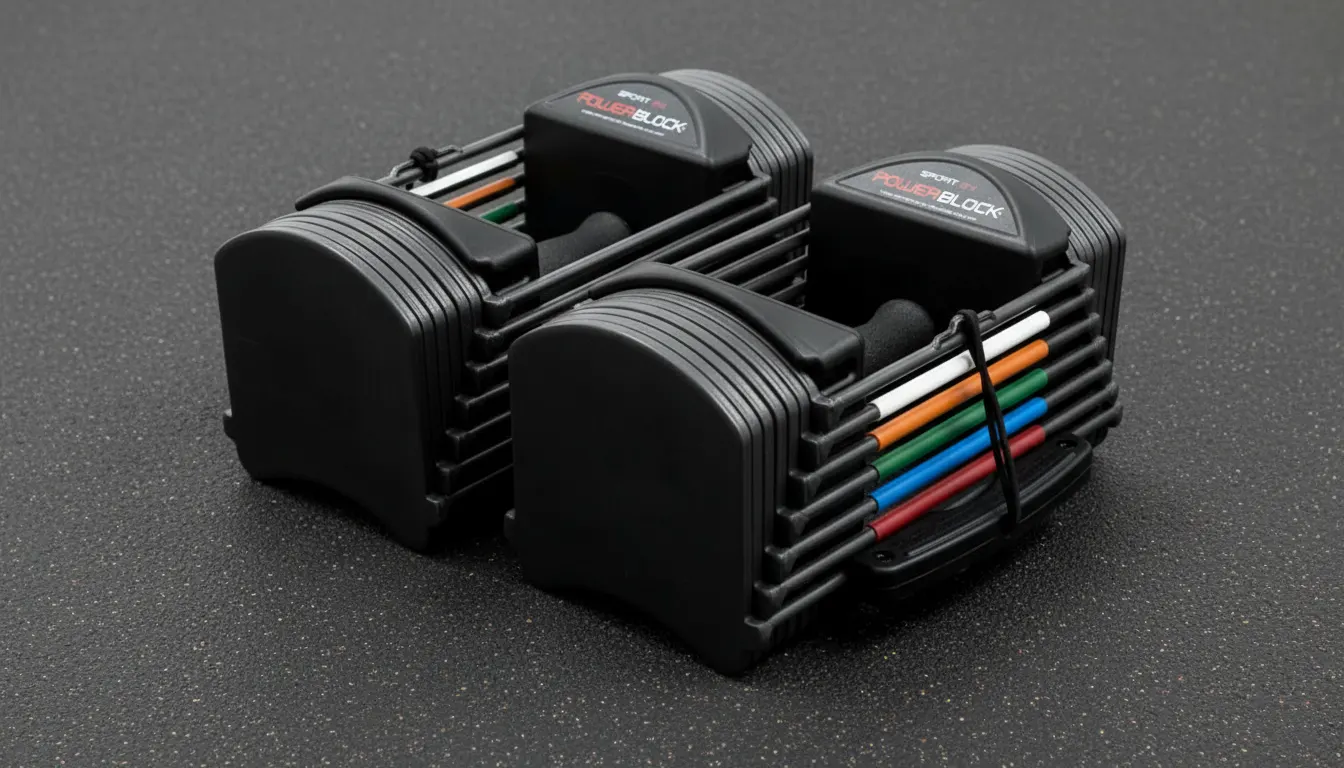
Dumbbells are portable, take up minimal space, and do not require a squat rack or power rack to use effectively. For home gym setups or anyone with limited training space, a pair of adjustable dumbbells covers more ground than almost any other single piece of equipment.
Shoulder Comfort and Wrist-Friendly Movement Patterns
A significant number of people report shoulder discomfort during barbell overhead pressing or barbell bench pressing. The fixed grip of a barbell locks the wrists into a position that does not suit everyone’s anatomy.
Dumbbells allow for natural wrist rotation throughout a movement, and the hands can be positioned at whatever angle is most comfortable for the individual’s shoulder structure. People who experience discomfort on barbell variations frequently report little to no pain when switching to dumbbell versions of the same exercises.
Frequently Asked Questions (FAQs)
Is it safe to lift weights every day?
Daily lifting is safe when the program is structured correctly. The risk comes not from frequency but from training the same muscle groups without adequate recovery time. Rotating muscle groups, alternating between high and low intensity, and monitoring soreness keeps daily training sustainable and safe.
Can you build real muscle with just dumbbells?
Yes. The principle that drives muscle growth is mechanical tension over time. Dumbbells create mechanical tension across a full range of motion, often more effectively than barbells for certain muscle groups. You will not hit the absolute strength ceiling that a barbell allows, but for most goals short of competitive powerlifting, dumbbells build more than enough muscle.
What are the main dumbbell benefits over machines?
Machines lock the movement into a fixed pattern. Dumbbells require the body to control the path of the weight, which recruits stabilizer muscles and builds functional strength that transfers to real-world movement. Range of motion is also greater with dumbbells, which produces better hypertrophy outcomes in most muscle groups.
Do weightlifting benefits apply to older adults specifically?
The evidence is particularly compelling for older adults. Muscle mass protects against falls and fractures, which are among the leading causes of disability in people over 65. The 2025 GeroScience study on dementia protection adds another layer. Older adults who begin resistance training can expect improvements in strength, bone density, cognitive function, and independence.
Is a home dumbbell setup enough to get the weightlifting benefits discussed here?
A pair of adjustable dumbbells covers the majority of what this guide discusses. The bone density benefits, EPOC effects, mental health improvements, cardiovascular risk reduction, and muscle balance work all happen with home equipment. You do not need a gym membership to access the core benefits of resistance training.
How heavy should dumbbells be for beginners?
Start light enough that the last two reps of each set are challenging but achievable with good form. For most adults, that means starting somewhere between 5 and 15 pounds depending on the exercise. The principle of progressive overload means gradually adding weight as each level becomes manageable.
What is the minimum amount of dumbbell training to see real results?
The research points toward two sessions per week as the threshold where measurable benefits consistently appear across muscle mass, metabolic rate, and cardiovascular markers. More frequent training accelerates those results, but two quality sessions are enough to make a meaningful difference.
In conclusion
Picking up a dumbbell is one of the higher-return investments a person can make in their health. The benefits of weightlifting extend well past the physical: improved mood, better sleep, reduced dementia risk, cardiovascular protection, and a measurably longer life all follow from consistent resistance training. Dumbbells deliver these benefits with lower injury risk, better range of motion, and more flexibility than most alternatives.
Looking for a low-impact way to build strength and endurance? Check out Water Exercise with Foam Dumbbells to learn how buoyant resistance training can improve fitness, mobility, and recovery in the pool.