If you’ve spent any time comparing gym equipment, you’ve probably stared at the dumbbell section longer than you’d like to admit. Round dumbbells, hex dumbbells, adjustable systems — it’s a lot. But once you actually train with hex dumbbells and compare them side-by-side with the alternatives, the choice gets easier fast.
What Are Hex Dumbbells, and Why Does Shape Matter?
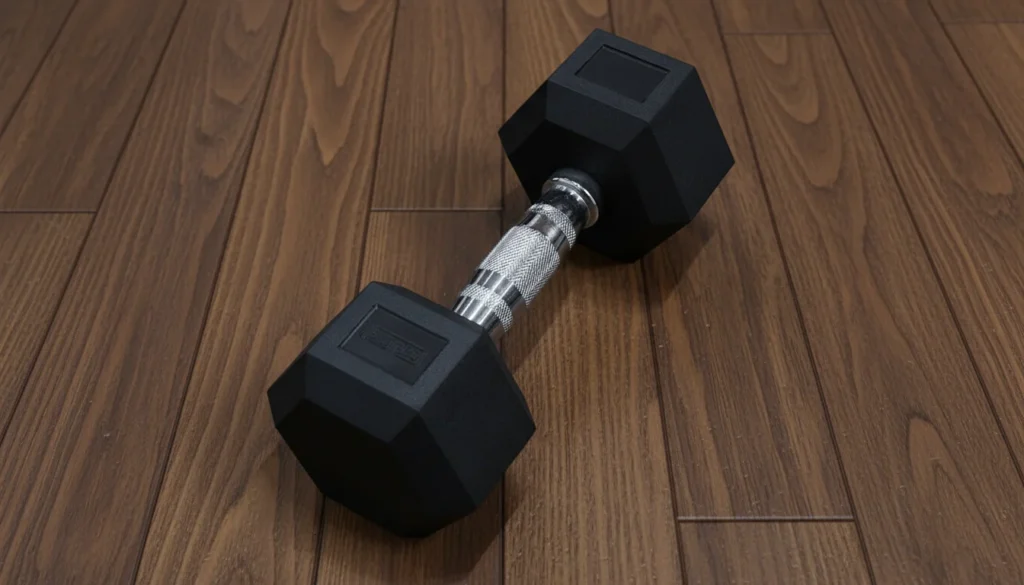
Hex dumbbells get their name from the six-sided (hexagonal) heads on each end of the handle. That shape isn’t just aesthetic. The flat faces on each side prevent rolling when the dumbbell is set on the floor — and that single engineering decision cascades into a dozen practical training advantages that round dumbbells simply can’t replicate.
Most hex dumbbells are built around a solid cast iron or steel core. Higher-quality versions are then coated in vulcanized rubber — a heat-bonding process that fuses the coating to the metal rather than just painting it on. The result is a dumbbell that absorbs shock when dropped, protects your floor, and resists cracking under repeated use.
The handles on quality hex dumbbells are typically knurled steel, sometimes chrome-plated, and long enough to accommodate different hand sizes without adding unnecessary bulk to the overall length.
Hex vs. Round Dumbbells: A Direct Comparison
| Feature | Hex Dumbbells | Round Dumbbells |
|---|---|---|
| Anti-roll stability | Yes — flat faces prevent rolling | No — will roll on any surface |
| Floor exercise compatibility | Excellent | Poor without holders |
| Storage & stacking | Easy to stack and organize | Requires dedicated racks |
| Cost (home gym) | Generally more affordable | Often higher-priced, especially urethane |
| Floor protection | Rubber coating absorbs impact | Depends on material |
| Weight increments | Available from 2.5 lbs up | Usually start at 5 lbs |
| Best for | Home gyms, HIIT, functional training | Commercial gyms, bodybuilding |
The Core Reason Hex Dumbbells Win: Safety That Actually Changes Your Workout
Rolling dumbbells aren’t just annoying — they’re genuinely dangerous. A round dumbbell dropped on a hard floor can travel several feet before stopping. In a home gym with limited space, or in a crowded commercial gym, that’s how ankles get rolled and walls get damaged.
Hex dumbbells stay exactly where you put them. Set one down mid-circuit and it’s still there when you reach for it. Place them on the floor for a floor press and they won’t shift under your hands. This stability sounds minor until you’ve spent a workout chasing round weights across a garage floor.
Why This Matters More Than It Sounds
The anti-roll design of hex dumbbells doesn’t just prevent accidents. It actively expands the range of exercises you can perform. Certain movements — renegade rows, dumbbell push-ups, plank rows — are functionally impossible with round dumbbells. You’d need to grip them differently, lose range of motion, or simply skip the exercise entirely.
In a renegade row, you hold yourself in a high plank position with a dumbbell in each hand and alternate pulling them toward your hips. With round dumbbells, you simply cannot maintain a stable plank position without the weights rolling away — it’s one of those exercises that genuinely requires hex dumbbells.
That’s not a minor limitation. The renegade row trains the lats, rhomboids, traps, biceps, and core simultaneously. Losing access to it because your dumbbells won’t stay still is a real training disadvantage.
Hex Dumbbells Unlock Exercises Round Dumbbells Can’t
This is where the conversation shifts from theoretical to practical. The shape of a hex dumbbell isn’t just about safety — it opens up an entire category of compound, floor-based movements that deliver serious training stimulus.
Renegade Rows
The renegade row is essentially two exercises in one — it delivers the benefits of a dumbbell row and a plank within a single movement, hitting the latissimus dorsi (the upper body’s largest muscle), the rhomboids, traps, and biceps while demanding significant core engagement throughout. Without stable hex heads anchored to the floor, this exercise doesn’t work.
Dumbbell Push-Ups
Push-ups performed on hex dumbbell handles give you more depth than standard floor push-ups — your chest can travel below the level of your hands, which increases the stretch on the pecs and triceps. You can even place the dumbbells vertically for an additional full-body stability challenge.
This range-of-motion advantage is backed by the research. A 2017 study published in the Journal of Strength and Conditioning Research found that dumbbell pressing variations increase pectoralis major activation more than barbell variations, and research by Schoenfeld (2010) confirmed that greater range of motion in pressing movements contributes to improved muscular development.
The Hex Press
The hex press is a chest exercise specifically designed around the flat faces of hex dumbbells. You hold both dumbbells pressed firmly together throughout the entire movement, which creates constant isometric tension across the inner pectorals — an area notoriously hard to develop with standard pressing.
The defining feature of the hex press is that the dumbbells remain firmly in contact for the entire set. If you lose that contact, you’re essentially performing a neutral-grip dumbbell press, so maintaining the squeeze is what makes the exercise work. Cylindrical round dumbbells make this exercise significantly harder to execute correctly.
Dumbbell Burpees and Man Makers
Functional fitness protocols — CrossFit, HIIT, circuit training — often require quick transitions from floor to standing, sometimes with the dumbbells used as push-up handles mid-movement. This style of training demands dumbbells that can support you on the floor and allow fast transitions between movements. Nobody wants to spend seconds chasing a dumbbell mid-circuit.
Construction Quality: What Makes a Good Hex Dumbbell Last
Not all hex dumbbells are built equally. The gap between a cheap cast-iron hex and a properly made rubber hex dumbbell is wide enough to matter over a few years of actual training.
Rubber Coating: Function, Not Just Aesthetics
The rubber coating on quality hex dumbbells serves several distinct purposes. It absorbs impact energy when the dumbbell is set down or accidentally dropped, protecting both the weight and your floor. It also reduces the noise of dropped weights — relevant if you train in a garage, flat, or shared space.
High-grade rubber hex dumbbells are bonded to the steel core through vulcanization — a high-temperature process that ensures the coating won’t peel or crack under normal training conditions. It’s more expensive to produce than simply painting a weight, but it’s also what separates quality rubber hex dumbbells from cheaper versions that chip and rust within months.
Handles: Knurling and Length
The handle is where you actually interact with the dumbbell, and it matters more than most buyers realize. Fully knurled handles provide grip security during sweaty training sessions without becoming so aggressive that they shred your palms over high-rep sets.
Brands like REP Fitness offer fully knurled steel handles across their entire hex dumbbell range — from 2.5 lbs to 125 lbs — with low-odor rubber coating and easy-to-read weight markings on the top of each head for quick weight identification mid-workout.
Handle length also affects range of motion. Heavier hex dumbbells have larger heads, which means longer overall dumbbell length, which can restrict depth on pressing movements. Premium brands account for this with more compact head designs on heavier increments.
Cold-Weather Performance
This one doesn’t come up in most reviews. If you train in a garage gym through winter, rubber-coated hex handles remain comfortable in cold temperatures in a way that bare chrome or iron handles don’t. Fully rubber-coated hex dumbbell handles are essentially immune to cold temperatures — no more grabbing a freezing steel handle at 6am in a garage gym.
Hex Dumbbells Are More Affordable Than Most People Think
One of the persistent myths about hex dumbbells is that they’re expensive. The truth is they’re generally the most cost-effective dumbbell option per pound, especially for home gym buyers.
Rubber hex dumbbells are generally priced starting under $100 for lighter sets, scaling up with weight — the York Barbell Rubber Hex line, for example, runs from around $20 to $640 depending on weight. That’s a significant range, but the lower end is accessible in a way that quality urethane round dumbbells simply aren’t.
Hex dumbbells are often cheaper than round dumbbells at comparable weights, which makes them attractive to home gym owners who need to build out a full weight range without commercial gym budgets.
Why Round Dumbbells Cost More
Quality round dumbbells — the kind found in commercial gyms — are typically made with urethane coatings. Urethane offers superior resistance to cracking, fading, and UV damage, which is why it’s preferred in high-traffic commercial settings. But that durability premium shows up in the price: urethane dumbbell sets from brands like Intek or TKO Strength start around $1,700 for a set and can exceed $12,000 for a full commercial rack.
For a home gym that sees one or two users training a few days per week, that durability premium is unnecessary. Quality rubber hex dumbbells will outlast most home gym setups without needing to be replaced.
The Long-Term Cost Math
Rubber hex dumbbells, when properly cared for, can last years with minimal maintenance. That upfront cost — even at the premium end — is paid once rather than repeatedly replaced as cheaper alternatives fail. When you factor in the floor protection they provide (no scratched hardwood or chipped tiles from dropped weights), the true cost of ownership is lower than it appears at retail.
Storage: Why Hex Dumbbells Win in Home Gyms
Space is the defining constraint for most home gym setups. Hex dumbbells solve the storage problem in a way round dumbbells simply can’t.
The flat sides of hex dumbbells allow for stable stacking, which saves space and makes storage more efficient — a significant advantage for home gym owners working with limited floor area. You can stack lighter pairs directly on top of heavier ones, or store them on a simple tiered rack that keeps the floor clear.
Round dumbbells, by contrast, require dedicated cradle-style racks because they cannot be stacked. Each pair needs its own support to prevent rolling. That’s more hardware, more floor space, and more cost.
For a complete home set running from, say, 10 lbs to 50 lbs in 5-lb increments, the storage difference between hex and round is meaningful. A tiered hex dumbbell rack takes up a fraction of the floor space of the equivalent round dumbbell cradle system.
Who Should Buy Hex Dumbbells?
The practical answer is: most people training outside a commercial gym setting.
Home gym owners benefit from hex dumbbells on every axis — affordability, storage, floor protection, and exercise versatility. There’s no compelling reason to choose round dumbbells for a home setup unless you’re specifically doing bodybuilding work that requires the ergonomic comfort of a rounded head on certain pressing movements.
CrossFit and HIIT athletes who train at home need hex dumbbells specifically. The exercise library used in those protocols — renegade rows, burpee dumbbell presses, man makers — depends on stable hex heads. Round dumbbells actively prevent you from doing these movements safely.
Beginners starting out with lighter weights get an additional benefit: hex dumbbells are available in smaller weight increments, including 2.5 lb jumps at lighter weights, which are useful for exercises like lateral raises or rear delt flyes where the weight is naturally low and precision matters.
Rehabilitation and physical therapy settings commonly use hex dumbbells because the stable floor position reduces the risk of accidental rolling during controlled, careful movements.
Experienced lifters focused on hypertrophy should know that the hex press, renegade row variations, and deficit push-ups are all legitimate muscle-building tools — not just functional fitness novelties. The inner chest development from consistent hex pressing is noticeably different from standard barbell work.
Potential Drawbacks Worth Knowing
No equipment choice is without trade-offs. Here’s where hex dumbbells have genuine limitations, stated plainly.
Heavier pairs get bulky. The larger the hex head, the longer the overall dumbbell. At 70+ lbs, hex dumbbells can restrict range of motion on pressing movements because the heads contact your legs or bench before you’ve reached full depth. Urethane round dumbbells in heavier weights are more compact by design.
Rubber odor on cheaper pairs. Many rubber hex dumbbells arrive with a noticeable chemical smell from the rubber bonding process. On quality pairs this fades quickly — typically within a couple of weeks. On cheaper pairs it can linger longer. Buying from established brands (REP Fitness, Rogue, CAP) rather than no-name imports reduces this problem significantly.
Sunlight exposure degrades rubber. If your gym has direct sun exposure, the rubber coating can stiffen and eventually crack over time. This applies to any rubber-coated weight, not just hex dumbbells, but it’s worth noting if your setup is in a sunlit space.
The angular shape on certain exercises. Some users find the hex head less comfortable than a round head on movements where the dumbbell rests against the body — like certain front rack positions or shoulder carries. This is a minor ergonomic preference, not a functional limitation, and most people adapt quickly.
How to Choose the Right Rubber Hex Dumbbells
Weight Range
Buy further than you think you need. If you’re currently pressing 30 lbs, buy to 50. Strength progresses faster than most beginners expect, and replacing a set is more expensive than buying ahead. If budget is tight, start with a partial set covering your current working range and add heavier pairs incrementally.
Handle Feel
If possible, test before buying. Knurling aggressiveness varies significantly between brands. REP Fitness and Rogue are consistently praised for handles that grip well without causing calluses. Amazon Basics hex dumbbells are budget-friendly but have documented durability issues — head loosening and rubber chipping after a few months of regular use, which undercuts the value proposition.
Rubber Quality
Look for vulcanized rubber rather than painted or dipped coatings. The difference is evident in how the head feels — quality rubber has a slight give without feeling loose. Virgin rubber is preferable to recycled rubber for odor reasons.
Buying Pairs vs. Sets
Pairs give you flexibility to build incrementally. Sets are cheaper per pair but require more upfront spend. For most people starting a home gym, buying a 5–50 lb set in 5-lb increments — or 2.5–35 lbs if you’re earlier in training — covers the majority of upper-body work and most lower-body accessory exercises.
Top Hex Dumbbell Exercises to Build Into Your Training
Upper Body
Hex Dumbbell Press (chest): Standard flat or incline pressing. The hex shape keeps the dumbbell stable in hand and is compatible with the hex press variation for inner chest development.
Bent-Over Row: Hinge forward, keep the back flat, and pull the dumbbell to the ribs. Hex heads rest cleanly on the floor between sets without rolling.
Seated Overhead Press: The flat faces don’t affect this exercise directly, but the stable base when setting the weights down between sets speeds up transitions.
Lateral Raise and Rear Delt Flye: Both benefit from the fine weight increments hex dumbbells offer at lighter loads. The difference between 10 and 12.5 lbs on a lateral raise is significant — hex dumbbells give you that precision.
Core and Full Body
Renegade Row: Start in a high plank with a hex dumbbell in each hand. Row one dumbbell to the hip while maintaining anti-rotation through the core, then switch sides. Hexagonal dumbbells are the recommended choice here for stability — ensure your body holds a straight line from head to heels, feet hip-width apart, and focus on preventing hip rotation as you row.
Dumbbell Push-Up: Place dumbbells shoulder-width apart and perform push-ups gripping the handles. The elevated hand position increases depth and range of motion beyond standard floor push-ups.
Dumbbell Burpee: Grip hex dumbbells on the floor, jump feet back to plank, perform a push-up, jump feet forward, then stand and press overhead. Only works safely with non-rolling hex heads.
Lower Body
Goblet Squat: Hold one hex dumbbell by one of the flat heads at chest height. The flat surface provides a comfortable palm grip throughout the squat.
Romanian Deadlift: Hex dumbbells work well here — the handles sit close to the legs naturally, and the weights rest cleanly on the floor at the bottom of each rep without needing to be caught or controlled against rolling.
Dumbbell Lunge: Walking or stationary. Hex dumbbells held at sides or in a front rack position. Stable and reliable for the floor touchdown at each lunge.
Hex Dumbbells vs. Adjustable Dumbbells
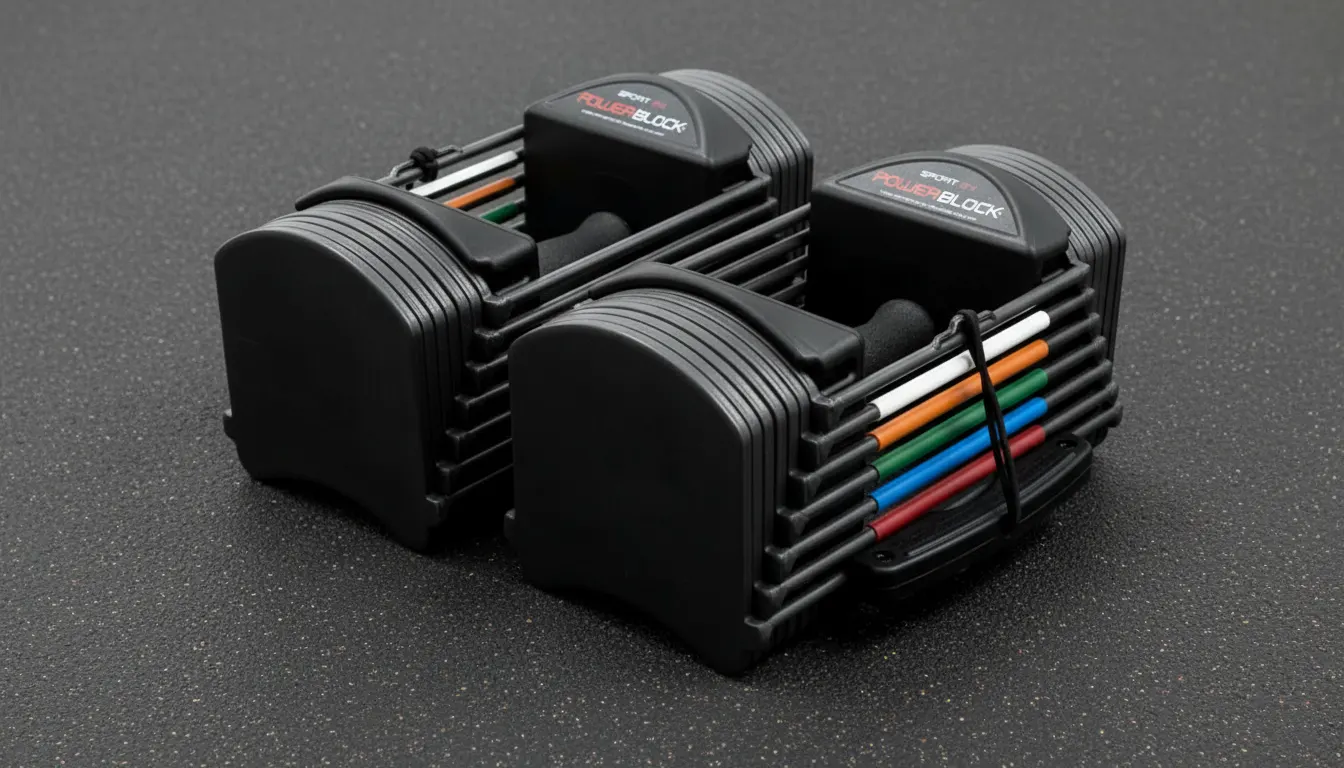
Adjustable dumbbells — Bowflex, PowerBlock, and similar dial-style systems — often get positioned as a hex alternative for home gyms. They deserve a fair comparison.
Adjustable dumbbells are excellent for space efficiency. One pair replacing twenty is genuinely useful if square footage is tight. But they have limitations that matter in practice.
They’re slower to adjust mid-workout, which disrupts circuit training flow. Most aren’t designed to be used as push-up handles or stable plank bases. Dropping them from height can damage the adjustment mechanism. And if one part breaks, you’ve lost the entire system.
Fixed hex dumbbells are slower to acquire a full set but faster to use during training, more durable, and compatible with the full range of floor-based exercises. For most home gym users who can accommodate a small dumbbell rack, fixed hex pairs remain the more reliable long-term investment.
Frequently Asked Questions (FAQs)
Are hex dumbbells better than round dumbbells for home gyms?
For most home gym users, yes. The anti-roll design makes them safer in smaller spaces, more compatible with floor-based exercises, easier to store without specialized racks, and generally more affordable. Round dumbbells have ergonomic advantages on certain bodybuilding movements, but these rarely outweigh the practical benefits of hex for home training.
Can you drop hex dumbbells?
Quality rubber hex dumbbells can handle being set down firmly and occasional drops from standing height. Repeated overhead dropping will stress the rubber-to-steel bond over time. Most premium brands — REP Fitness, Rogue — are friction-welded rather than simply glued, which significantly improves drop resistance. Budget-brand hex dumbbells should not be dropped repeatedly.
Do hex dumbbells rust?
The steel core can rust if the rubber coating cracks or peels and the exposed metal contacts moisture. This is most likely to happen with cheap rubber coatings or from prolonged UV exposure. Quality rubber hex dumbbells with intact coatings resist rust effectively and require only occasional cleaning with a damp cloth.
What weight range should I buy for a home gym?
A practical starting set for most adults is 10–50 lbs in 5-lb increments for general training, or 5–35 lbs for primarily upper-body accessory work. Beginners should include lighter pairs (5–15 lbs) for isolation movements like lateral raises. Advanced lifters need heavier pairs for compound movements — 60–80 lbs covers most dumbbell pressing and rowing needs.
Why do rubber hex dumbbells smell?
The odor comes from volatile compounds in the rubber bonding process. It’s normal and not harmful. The smell fades within one to four weeks on most quality pairs. Brands like REP Fitness specifically source low-odor rubber. Storing new dumbbells in a ventilated area accelerates the off-gassing process.
Are hex dumbbells good for beginners?
They’re arguably the best starting point for beginners. The anti-roll safety feature reduces one category of accident risk for people still developing exercise coordination. The availability of light increments (2.5, 5, 7.5 lbs) covers beginner-appropriate loads for most movements. The affordability relative to urethane alternatives means you’re not over-investing before you’ve established consistent training habits.
Can hex dumbbells be used as push-up handles?
Yes, and this is one of their clearest advantages. The flat base holds firm under your weight, the handle height increases range of motion compared to floor push-ups, and the neutral grip position reduces wrist stress. This applies to both standard push-ups and the renegade row variation.
Do hex dumbbells damage floors?
Rubber-coated hex dumbbells are designed specifically to protect floors. The rubber absorbs impact and prevents the metal core from contacting the floor surface. Setting them down carefully on hardwood, tile, or gym matting causes no damage in normal use. Dropping heavy pairs from height on hard floors can still cause marks, which is why rubber gym flooring mats are a worthwhile addition to any home gym setup.
What are the best hex dumbbell brands in 2025?
REP Fitness is consistently rated highest for value-to-quality ratio among hex dumbbells — their rubber hex range covers 2.5 to 125 lbs with knurled handles and friction-welded heads, backed by a lifetime home gym warranty. Rogue Fitness produces premium rubber hex dumbbells widely considered the most durable on the market, though at a higher price per pound. CAP Coated Hex sets offer the best budget value, often sold with a rack included at competitive pricing.
Are heavier hex dumbbells worth the cost?
If you’re progressing consistently in strength, yes. Heavier pairs — 60 lbs and up — are expensive but rarely need replacing. The investment is front-loaded but effectively permanent. Many home gym owners who bought quality hex dumbbells in the early-to-mid 2010s are still training on the same pairs today.
In conclusion
The case for hex dumbbells doesn’t rest on any single feature. It’s the accumulation of practical advantages that makes them the right choice for most home and functional training setups.
They stay where you put them. They protect your floor without babying. They open up exercises that round dumbbells can’t safely support. They’re available in a weight range that covers beginner to advanced training needs. They store cleanly without specialized hardware. And at most price points, they’re more affordable than equivalent round alternatives.
Round dumbbells have their place. But for home gym owners, functional fitness athletes, beginners building their first setup, and experienced lifters who want reliable equipment that doesn’t demand coddling — hex dumbbells aren’t just a good option. They’re the standard against which the alternatives are measured.
Want to understand their real training value? Check out What Are Dumbbells Best For? to learn how they improve strength, muscle balance, and full-body workouts at home or in the gym.