If you’ve ever unboxed a new set of dumbbells and noticed that strong “rubber smell,” you’ve probably asked yourself an important question: are rubber dumbbells toxic?
With more people building home gyms, concerns about indoor air quality, chemical exposure, and fitness equipment safety have become increasingly common. The good news is that most modern research and material science findings show that rubber dumbbells are generally safe when properly manufactured and used in a well-ventilated space.
What Are Rubber Dumbbells Made Of?
To understand whether rubber dumbbells are toxic, you first need to understand their structure.
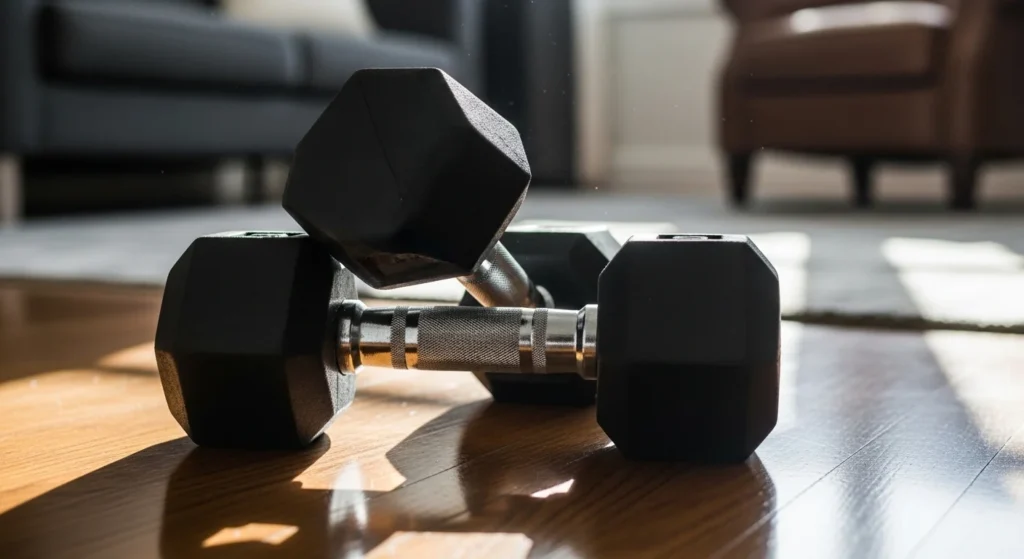
Most rubber dumbbells consist of:
- A cast iron or steel core
- A protective outer layer made of:
- Synthetic rubber (commonly SBR or EPDM)
- Natural rubber (less common)
- Sometimes recycled rubber compounds
In many cases, the coating is applied through a process called vulcanization, where rubber is chemically treated with sulfur and additives to improve durability and elasticity.
These additives are what sometimes raise safety questions—not the metal core itself.
Are Rubber Dumbbells Toxic?
In general, high-quality rubber dumbbells are not considered toxic for normal consumer use.
However, the topic is more nuanced:
- The solid rubber coating is typically chemically stable and inert once cured
- Potential concerns mainly come from:
- Volatile Organic Compounds (VOCs)
- Manufacturing residues
- Strong odor (“new rubber smell”)
Studies on fitness equipment materials show that most health concerns are related to off-gassing in the early usage phase, not long-term toxicity from handling the dumbbells themselves.
Understanding the “New Rubber Smell” (Off-Gassing)
The biggest reason people worry about toxicity is the strong odor new rubber dumbbells produce.
This smell comes from off-gassing, a process where volatile compounds evaporate into the air.
Common sources of off-gassing include:
- Residual monomers from rubber production
- Sulfur compounds used in vulcanization
- Plasticizers and stabilizers
- Additives used for color and flexibility
This is why many rubber dumbbells smell like a “tire shop” when first unpacked.
According to material safety analysis, this odor is typically temporary and reduces significantly over time, especially with ventilation.
Are VOCs from Rubber Dumbbells Dangerous?
VOCs (Volatile Organic Compounds) are the main concern in discussions about rubber fitness equipment safety.
What science suggests:
- VOCs are present in many household products (paint, flooring, furniture, gym gear)
- Rubber dumbbells may release trace VOCs when new
- Concentration levels in home environments are generally low
Health experts note that exposure levels from dumbbells are far below occupational safety limits in most home gym settings.
Possible short-term effects (in sensitive individuals):
- Headaches
- Mild nausea
- Eye or throat irritation
These effects are usually linked to poor ventilation, not long-term toxicity.
Rubber Dumbbells vs Other Materials (Safety Comparison)
Understanding alternatives helps put the risk into perspective.
1. Rubber Dumbbells
- Moderate VOC off-gassing when new
- Durable and impact-resistant
- Strong initial odor in low-quality sets
2. Neoprene Dumbbells
Neoprene is a synthetic rubber (polychloroprene). Once cured, it is generally stable and widely used in consumer products. However, like rubber, it may release minor VOCs initially.
3. Urethane Dumbbells
- Considered the cleanest option
- Virtually odorless
- Very low off-gassing
- Higher cost
4. Vinyl (PVC) Dumbbells
- Can contain plasticizers
- Potential concerns about chemical leaching in low-quality products
5. Bare Cast Iron Dumbbells
- No coating = no VOC issues
- But more noise and floor damage risk
Do Cheap Rubber Dumbbells Pose More Risk?
Yes, quality matters significantly.
Lower-quality rubber dumbbells may:
- Use recycled rubber with inconsistent purity
- Emit stronger and longer-lasting odors
- Contain more chemical additives
Higher-quality brands typically:
- Use cleaner rubber compounds
- Reduce residual solvents
- Follow stricter manufacturing standards
This is why premium fitness brands often advertise low-odor or “virgin rubber” coatings.
Who Should Be More Careful?
While rubber dumbbells are safe for most users, extra caution is recommended for:
- People with asthma or respiratory sensitivity
- Individuals with chemical sensitivities (MCS)
- Users setting up gym equipment in small, unventilated rooms
- Home gyms in hot, enclosed environments
How to Reduce Any Potential Exposure Risk
If you want to be extra safe, follow these simple steps:
1. Air them out
Place new dumbbells in a ventilated area for 3–7 days.
2. Clean them before use
Wipe with mild soap and water to remove surface residues.
3. Improve ventilation
Use fans or open windows in your workout space.
4. Avoid heat exposure
Heat can increase VOC release, so avoid storing in direct sunlight.
5. Choose low-odor or urethane-coated options
If you’re highly sensitive, urethane is the safest long-term choice.
Long-Term Safety: Do Rubber Dumbbells Become Safer Over Time?
Yes.
The majority of off-gassing occurs:
- Within the first few days to weeks
- Then decreases significantly over time
After this period, rubber dumbbells become:
- Chemically stable
- Low-emission
- Safe for regular indoor use
Environmental and Skin Contact Concerns
Some users worry about skin absorption or long-term exposure.
Current evidence suggests:
- Skin contact with cured rubber is generally safe
- Allergic reactions are rare but possible (latex sensitivity in natural rubber)
- No strong evidence links rubber dumbbells to chronic toxicity in typical use
Expert Verdict: Are Rubber Dumbbells Toxic?
Based on current material science and safety research:
- Rubber dumbbells are not toxic in normal use
- The main concern is temporary off-gassing
- Risk is low for most users
- Proper ventilation eliminates most concerns
Frequently Asked Questions (FAQs)
Are rubber dumbbells harmful to breathe around?
No, in normal home use they are safe. Any VOC exposure is typically very low and temporary.
How long does the rubber dumbbell smell last?
Usually a few days to a couple of weeks depending on ventilation and quality.
Can rubber dumbbells cause cancer?
There is no evidence that using rubber dumbbells as intended causes cancer.
Are neoprene dumbbells safer than rubber ones?
They are similar in safety; both may off-gas slightly when new.
What is the safest dumbbell material?
Urethane-coated dumbbells are considered the lowest-emission option.
Why do rubber dumbbells smell like tires?
Because they use similar synthetic rubber compounds and curing processes as tires.
Are cheap rubber dumbbells dangerous?
Not usually dangerous, but they may have stronger odors and lower material quality.
Can I remove the smell completely?
You can reduce it significantly with ventilation, but it naturally fades over time.
Is it safe to use them indoors?
Yes, especially in well-ventilated rooms.
Do gyms use toxic rubber dumbbells?
Commercial gyms use regulated materials, and exposure levels are considered safe.
If you want to compare different dumbbell types, read this guide on Are Neoprene Dumbbells Good for Workouts?