The modern fitness world heavily emphasizes pushing movements like bench presses, shoulder presses, and push-ups, which naturally develop the front side of the upper body. However, this creates muscular imbalance if rear deltoids and upper back muscles are neglected.
The dumbbell incline reverse fly is one of the most effective corrective exercises for this imbalance because it isolates the rear shoulders and strengthens the stabilizing muscles responsible for posture and shoulder health.
Understanding the Dumbbell Incline Reverse Fly
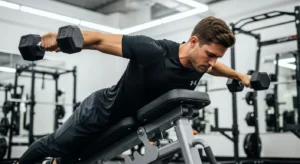
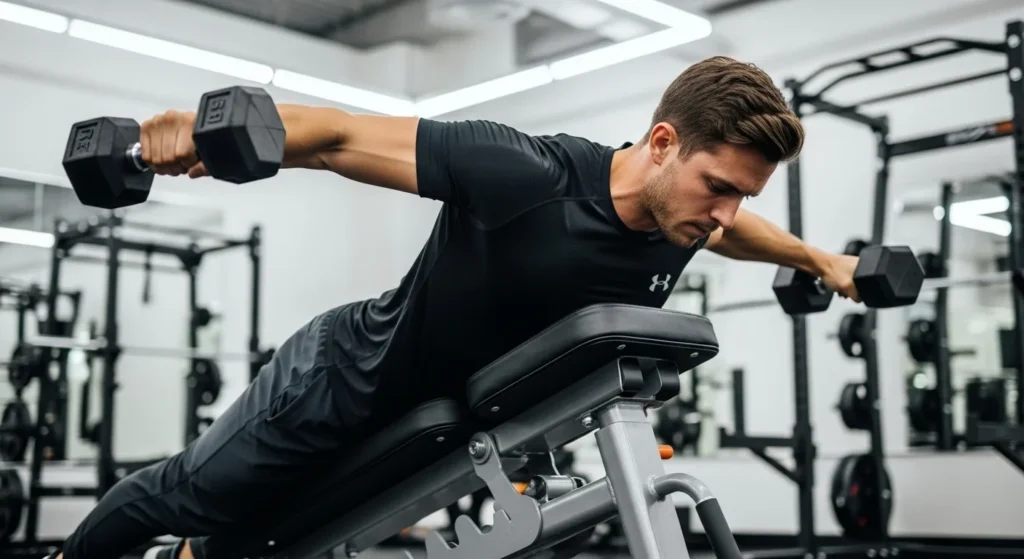
The dumbbell incline reverse fly is a free-weight isolation movement performed on an inclined bench where the lifter raises dumbbells laterally in a reverse arc.
This positioning removes unnecessary body movement and increases tension on the rear delts throughout the full range of motion.
Because the chest is supported, the exercise becomes highly controlled, making it ideal for beginners, intermediates, and advanced lifters focusing on shoulder development.
Muscles Worked in Dumbbell Incline Reverse Fly
This exercise primarily targets the posterior shoulder and upper back region.
Primary Muscles
- Posterior deltoid
- Rhomboids
Secondary Muscles
- Trapezius (middle and lower fibers)
- Rotator cuff group (infraspinatus, teres minor)
- Rear stabilizers of the scapula
These muscles collectively support shoulder retraction, external rotation, and postural alignment.
Why This Exercise is Important
Most individuals experience muscular imbalance due to daily forward posture habits like sitting, driving, and screen use.
The incline reverse fly directly counteracts these effects by strengthening the posterior chain of the upper body.
It is especially valuable for athletes, office workers, and lifters who experience rounded shoulders or forward head posture.
How to Do Dumbbell Incline Reverse Fly (Step-by-Step)
Step 1: Set the Bench
Adjust an incline bench to 30–45 degrees and lie face-down with your chest supported.
Step 2: Start Position
Hold a dumbbell in each hand with palms facing inward. Let your arms hang straight down with a slight elbow bend.
Step 3: Engage Core
Brace your core and keep your neck neutral to avoid strain.
Step 4: Lift the Weights
Raise the dumbbells outward in a wide arc until they reach shoulder level.
Step 5: Squeeze and Pause
At the top, squeeze your shoulder blades together without shrugging your traps.
Step 6: Lower Slowly
Return the dumbbells slowly to the starting position under full control.
Common Mistakes to Avoid
- Using heavy weights and swinging the body
- Shrugging shoulders instead of isolating rear delts
- Bending elbows too much, turning it into a row
- Lifting too high beyond shoulder line
- Rushing the eccentric (lowering phase)
Benefits of Dumbbell Incline Reverse Fly
- Improves posture by strengthening posterior chain
- Enhances shoulder stability and mobility
- Reduces imbalance from pressing exercises
- Builds rounded, aesthetic rear shoulders
- Supports injury prevention in shoulder joints
Programming the Exercise in Your Workout
For Beginners
- 2–3 sets
- 12–15 reps
- Light dumbbells with strict form
For Intermediate Lifters
- 3–4 sets
- 10–12 reps
- Moderate weight with controlled tempo
For Advanced Lifters
- 4 sets
- 8–12 reps
- Slow eccentric phase for hypertrophy
Best Variations of Dumbbell Incline Reverse Fly
1. Seated Reverse Fly
Performed on a bench without incline support.
2. Chest-Supported Reverse Fly Machine
Provides strict isolation and controlled resistance.
3. Cable Reverse Fly
Offers constant tension throughout movement.
4. Resistance Band Reverse Fly
Ideal for home workouts and warm-ups.
Safety Tips and Injury Prevention
- Avoid using excessive weight
- Keep neck neutral throughout movement
- Do not overextend shoulders at the top
- Maintain controlled tempo at all times
Proper form reduces stress on the shoulder joint and improves long-term joint health.
Who Should Do This Exercise?
- Beginners learning shoulder stability
- Bodybuilders focusing on rear delt growth
- Office workers correcting posture
- Athletes improving shoulder balance
- Individuals recovering from poor upper back strength
Common Training Mistakes
Many lifters fail to isolate the rear delts properly due to incorrect execution.
The most common issues include:
- Using too heavy weights
- Shrugging traps instead of isolating delts
- Rushing repetitions
- Poor bench angle selection
Fixing these mistakes significantly improves results.
Benefits of Dumbbell Incline Reverse Fly
- Builds strong and defined rear delts
- Improves shoulder symmetry
- Enhances posture and spinal alignment
- Supports injury prevention
- Increases pulling strength in compound lifts
Integration into Dumbbell Workouts
This exercise pairs well with:
- Dumbbell rows
- Shoulder presses
- Lateral raises
- Face pulls
- Chest-supported back workouts
It is commonly included in pull or shoulder training days.
Frequently Asked Questions (FAQs)
Is dumbbell incline reverse fly good for beginners?
Yes, it is beginner-friendly when performed with light weights and controlled motion.
What angle is best for the incline bench?
A 30–45 degree incline provides optimal rear delt activation.
Can I use heavy weights?
It is better to use light to moderate weights to maintain proper form.
How many reps should I do?
Most lifters benefit from 10–15 controlled repetitions.
Does it improve posture?
Yes, it strengthens muscles responsible for pulling shoulders backward.
Should I bend elbows?
A slight bend is recommended, but excessive bending should be avoided.
Where should I feel the exercise?
You should feel tension in rear shoulders and upper back.
Can it replace face pulls?
It can complement face pulls but should not fully replace them.
Is it safe for shoulders?
Yes, when performed with correct form and controlled weight.
How often should I do it?
2–3 times per week is sufficient for most training programs.
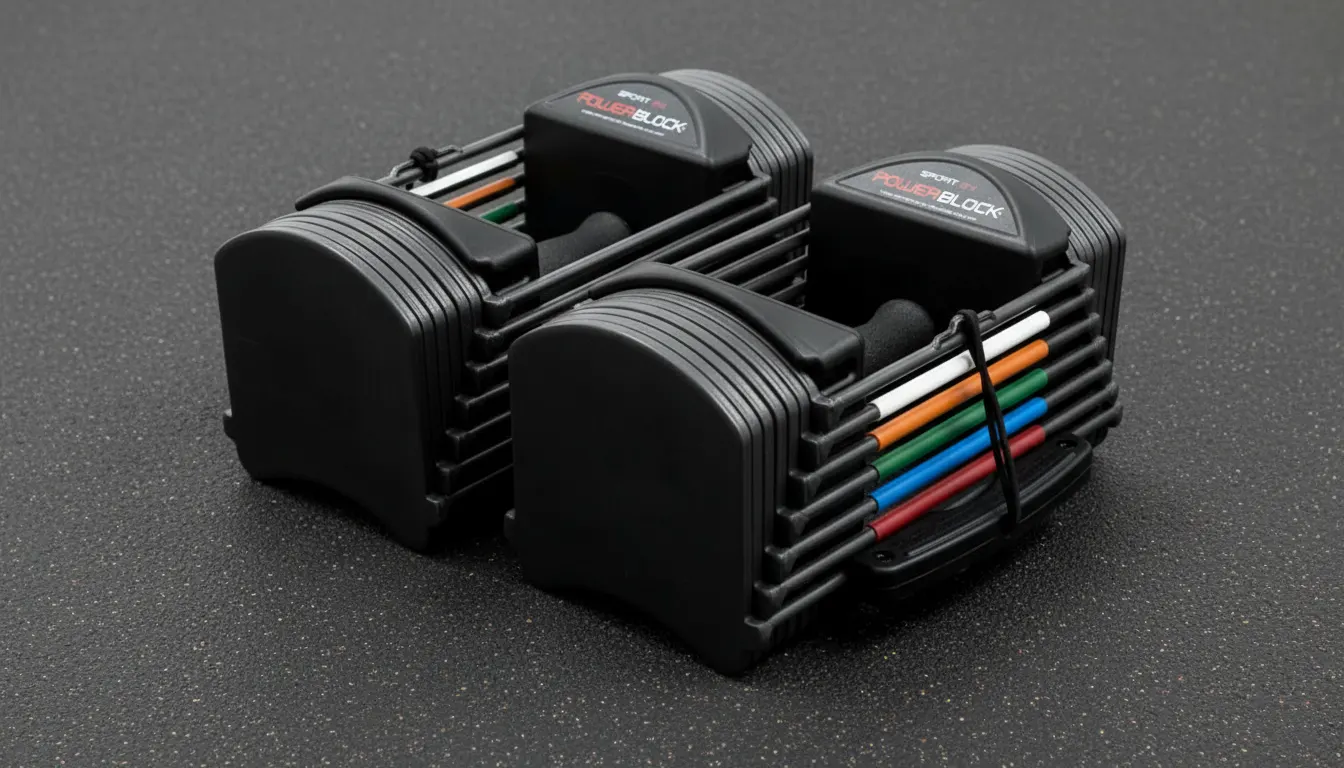
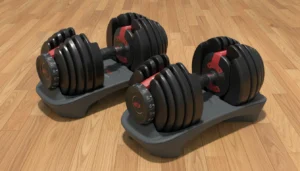
Looking for a space-saving and durable strength training option? Check out this POWERBLOCK Adjustable Dumbbells Review to see if they’re the right fit for your home gym setup.