Most lifters have a chest problem they don’t talk about. The upper half gets trained relentlessly while the lower portion sits flat, underdeveloped, and soft. You’ve probably seen it: a guy with a thick upper chest and boulders for shoulders, but a chest that just kind of… fades out before it meets the abs. That’s not a genetics issue. It’s a training gap.
The lower chest is what creates the visual “shelf” — that defined lower border separating your pecs from your midsection. Flat bench press, however faithfully performed, doesn’t load those fibers with any real directness. You need a different angle, and you need the right equipment to work it.
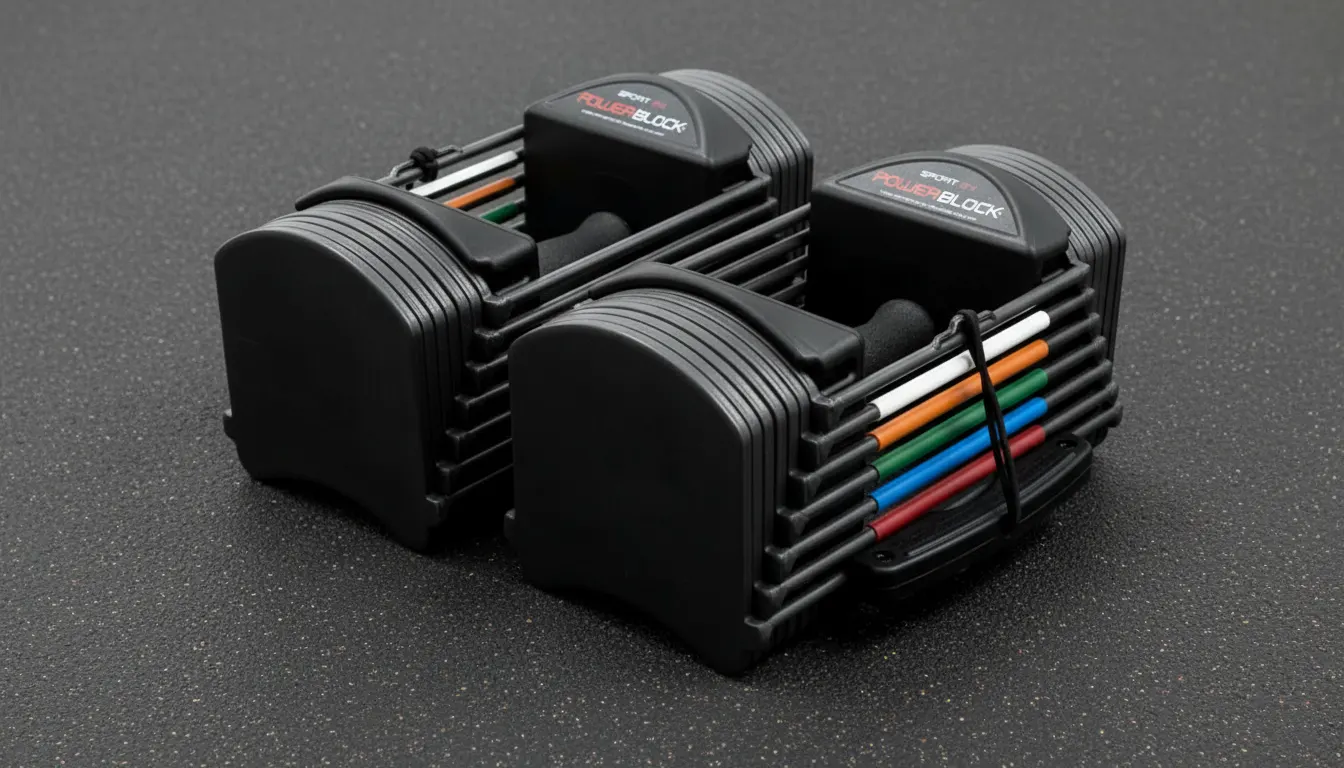
Dumbbells are the best tool for the job. They let you press deeper into the range of motion than a barbell allows, force each side to work on its own, and give you the freedom to adjust your pressing path to match your body’s mechanics.
Understanding the Lower Chest: Anatomy Before Training
The Pectoralis Major and Its Two Heads
The pectoralis major is a large, fan-shaped muscle covering most of the front of your chest. It originates from the clavicle, anterior sternum, and costal cartilages of ribs 1 through 7, then inserts at the lateral lip of the bicipital groove on the humerus, according to anatomy research published in StatPearls via the NCBI.
The muscle has two primary heads, and their fiber directions are what determine which exercises actually train them:
Clavicular head — the upper portion, originating from the medial half of the clavicle. Its fibers run downward and outward toward the shoulder, making them most responsive to incline pressing where the arm travels upward and across.
Sternocostal head — the larger lower portion, originating from the sternum and costal cartilages. The lowest fibers of this head, sometimes referred to as the abdominal head, run upward and laterally. Because of this, a downward pressing angle loads them more directly than flat or incline pressing does.
Fiber direction is the concept that matters here. You can’t fully isolate the lower chest — no muscle contracts in complete isolation — but you can shift substantially more mechanical load onto its lower fibers by choosing movements that work along their grain.
Why the Lower Chest Gets Undertrained
Flat bench press works the mid-sternocostal fibers reasonably well. Incline work drives the clavicular head. But without deliberate decline pressing or movements that bring your arms downward and across your body, the lower pectoral fibers receive the least direct stimulus of any chest region. Most people’s training programs create this gap without anyone noticing.
The lower chest isn’t just a cosmetic concern either. It contributes to horizontal pushing strength, shoulder girdle stability, and the overall structural balance of the upper body.
The 7 Best Lower Chest Exercises with Dumbbells
1. Decline Dumbbell Press
The decline press is the anchor of lower chest training and has the research to back it up. A 1995 study by Barnett et al. confirmed that decline pressing produced greater lower chest activation than both flat and incline variations. The downward bench angle shifts the pressing line to load the sternal and lower pec fibers directly.
Setup and execution:
- Set the bench to a 15–30 degree decline. Angles beyond 30 degrees start shifting load toward the triceps and away from the chest, so steeper isn’t better.
- Sit at the high end with the dumbbells resting on your thighs, hook your feet under the ankle pads, then lie back slowly.
- Hold the dumbbells at chest level, palms facing forward, elbows at roughly 45 degrees from your torso.
- Press upward and slightly inward, stopping just short of elbow lockout.
- Lower in a controlled 2–3 second descent, pausing briefly at the bottom before the next rep.
Sets and reps: 3–4 sets of 8–12 reps, leaving 2–3 reps in the tank on each set.
The one form error that kills this exercise: elbows flaring too wide. When the elbows drift toward 90 degrees, the anterior deltoid takes over and the lower pec barely works. Keep them tucked to 45 degrees throughout.
2. Decline Dumbbell Fly
The press is a compound movement that spreads load across the chest, triceps, and front deltoid. The fly removes elbow flexion almost entirely and leaves the pectoral fibers to handle the work on their own. Done on a decline, the adduction arc closely matches the fiber direction of the lower sternocostal head, giving those fibers a direct training stimulus through both the stretched and contracted positions.
Setup and execution:
- Use the same decline setup as the press, dumbbells held directly above the chest with a slight, fixed bend in the elbows.
- Lower your arms out to the sides in a wide arc, maintaining that same bend — don’t let the elbows straighten or bend further.
- Stop when your elbows reach chest level. Going below that point stresses the shoulder joint without adding meaningful pec stretch.
- Bring the dumbbells back up in a controlled arc, squeezing the lower chest at the top.
Sets and reps: 3 sets of 10–15 reps. Use substantially lighter weight than the press — this isn’t a strength movement.
Weight selection note: If you find your elbows bending significantly during the arc, the weight is too heavy. The fly degrades into a press when the load gets too high, and you lose the isolation benefit entirely.
3. Decline Dumbbell Squeeze Press (Close-Grip)
This one gets overlooked, which is a mistake. It combines a decline angle with constant horizontal adduction force, and research supports that exercises requiring horizontal adduction produce higher pectoralis major activation than standard presses. A 2020 study by Chaves et al. measured this effect, and it’s consistent with what you’d predict from the anatomy.
Setup and execution:
- Set the decline bench to 15–30 degrees.
- Hold the dumbbells pressed together (or nearly so) above the lower chest.
- Keep active squeezing pressure between the dumbbells throughout the entire set — at the top, the bottom, and every inch in between.
- Lower to chest level with control, then press back up without releasing the squeeze.
Sets and reps: 3 sets of 10–12 reps at moderate weight.
The cue that makes it work: imagine the dumbbells are trying to push apart and your job is to fight that separation continuously. That constant adduction tension is what separates this from a standard decline press.
4. Flat Dumbbell Press with Downward Pressing Intent
No decline bench available? You can shift a meaningful amount of load to the lower chest by changing your pressing direction during a standard flat bench press.
Setup and execution:
- Lie on a flat bench with your head near one end.
- Rather than pressing straight up at the ceiling, consciously direct the dumbbells slightly downward and away from you on the press path.
- This subtle cue engages the lower pec fibers more than a purely vertical press.
For home training without any bench, the floor bridge works: lie on the floor, push your hips up to create a slight reverse decline with your torso, and press from there. The floor limits your depth, but the lower chest activation beats a flat floor press.
Sets and reps: 3–4 sets of 10–12 reps.
5. Decline Dumbbell Pullover
Most people think of the pullover as a lat exercise. When performed on a decline bench, however, it loads the lower and outer pectoral fibers through a longer range of motion than most pressing movements allow. It’s best used as a finisher after the heavy pressing work is done.
Setup and execution:
- Lie on the decline bench, feet secured.
- Hold one dumbbell with both hands, palms pressed flat against the inside of the weight plate, thumbs wrapped around the handle.
- Start with the dumbbell above your chest, arms nearly straight with a slight bend.
- Lower it back behind your head in a slow, controlled arc, focusing on the stretch through the pec and serratus.
- Drive it back to the starting position by contracting through the chest — not by pulling with the arms.
Sets and reps: 3 sets of 10–12 reps at moderate weight. Heavy loads on this movement put the shoulder joint in a compromised position, so resist the urge to go heavy.
6. Standing Low-to-High Dumbbell Fly
This is the dumbbell version of a high cable crossover. No bench required. It targets the lower chest through an upward, inward arc that loads the lower pec fibers along their specific pull direction, and it gives your joints a break from the sustained horizontal loading of press-based movements.
Setup and execution:
- Stand upright holding dumbbells at your sides, palms facing inward.
- Raise the dumbbells upward and across your body in a wide arc, starting near hip level and finishing with your hands meeting slightly above chest height, in front of your sternum.
- Lower with control and repeat.
Sets and reps: 3 sets of 12–15 reps.
Why this hits the lower chest: the lower pec fibers run upward and laterally toward the shoulder insertion. An arc that starts from below the hip and travels upward loads those fibers along their natural pull direction — the same mechanical principle behind why high-cable crossovers are a staple for lower chest work in commercial gyms.
7. Decline Neutral-Grip Press (Hammer Press)
The neutral grip, palms facing each other, keeps the elbows tracking close to the torso and removes much of the rotator cuff strain associated with the standard pronated-grip decline press. For anyone with shoulder discomfort during decline pressing, this variation often solves the problem while maintaining the lower chest training stimulus.
Setup and execution:
- Set the bench to 15–30 degrees of decline, secure your feet, lie back.
- Hold the dumbbells with a neutral grip throughout the entire set.
- Press upward with the elbows tracking close to the body at roughly 45 degrees — don’t let them flare wide.
- At the top, add a slight inward squeeze of the palms for additional pec contraction.
- Lower with control.
Sets and reps: 3–4 sets of 8–12 reps.
How to Program Lower Chest Dumbbell Exercises
Training Frequency
Train the lower chest directly once or twice per week. The lower pec fibers are part of the larger pectoralis major, so flat and incline pressing also hits them with indirect volume. More than two dedicated lower chest sessions per week rarely adds benefit and often interferes with recovery.
Weekly Volume
For hypertrophy, target 10–16 total working sets per week for the chest overall, with at least 4–6 of those sets at a decline angle or lower-chest movement pattern. If your lower pecs are clearly underdeveloped, temporarily running more lower chest volume for 6–8 weeks is a reasonable short-term strategy.
Exercise Order in a Session
Open your chest day with the decline dumbbell press while the nervous system is fresh. Follow it with the decline fly or squeeze press as secondary work. Finish with a higher-rep isolation movement like the pullover or standing low-to-high fly to drive more blood into the muscle and accumulate time under tension at reduced joint stress.
Technique Cues That Actually Change Results
Scapular retraction and depression: Before every press, pull your shoulder blades down and together, as if squeezing something between them. This positions the chest forward, protects the shoulder joint, and sets the foundation for every rep that follows.
The 45-degree elbow rule: During pressing, keep the elbows at roughly 45 degrees from your torso. Tucked to 0 degrees puts too much load on the triceps; flared to 90 degrees shifts too much stress to the front deltoid. The 45-degree angle keeps the pec fibers loaded.
Slow eccentrics: Lowering the weight in 2–3 seconds increases time under tension and the mechanical stress placed on the fibers. It requires no extra equipment and costs nothing but attention.
Mind-muscle focus: There’s legitimate research supporting deliberate attention to the target muscle during a set. During lower chest movements, consciously try to feel the lower pec initiating the press or the fly. Starting with lighter weights to build this connection pays off when you increase the load.
Common Mistakes That Stall Lower Chest Progress
Only training at one bench angle: If every pressing movement you do is flat, your lower chest won’t respond regardless of how much volume you throw at it. Angle variety isn’t just a preference — the anatomy requires it.
Too much weight on flies: The fly uses a long lever arm to load the shoulder joint. When the weight gets too heavy, the elbows start bending to compensate, turning the movement into a bent-arm press and removing the isolation benefit. If you can’t hold the prescribed elbow angle through the full range, drop the weight.
Rushing the eccentric: Dropping the weight fast wastes the loading stimulus that comes from the stretched position. The bottom of a decline fly or press is where the lower chest gets its deepest mechanical challenge. Dropping through it quickly means skipping the most productive part of each rep.
Excessive decline angle: Going steeper than 35 degrees shifts load to the triceps and off the chest. The 15–30 degree range is where the lower chest gets the most direct stimulus — anything beyond that is diminishing returns for pec development.
Equipment Options When You Don’t Have a Decline Bench
Adjustable bench: Most adjustable benches include a decline position. This is the most practical and versatile piece of lower chest equipment available for home gyms.
Floor bridge setup: Lie on the floor, push your hips up to create a reverse incline with your torso, and press from there. The floor limits depth slightly, but it activates the lower chest better than flat floor pressing.
Reversed incline position: Lie on a bench, couch, or stable elevated platform with your feet up and your head lower than your hips. This creates a makeshift decline. Secure yourself so you don’t slide.
Parallel surfaces for bodyweight dips: Two sturdy chairs, parallel bars, or solid counter edges can substitute for dip bars. Lean your torso slightly forward during the dip and you place the lower chest under direct load. Add a dumbbell between your knees or feet for progressive resistance.
An adjustable bench that reclines to a decline position is, for most home lifters, the most useful single piece of equipment for lower chest training. It covers decline pressing, flies, pullovers, and every other variation covered in this guide.
Frequently Asked Questions (FAQs)
How do you work the lower chest with a dumbbell?
Set a bench to 15–30 degrees of decline, secure your feet, and press the dumbbells from a position near your lower chest, palms facing forward and elbows at 45 degrees. The downward angle shifts load onto the sternal and lower fibers of the pectoralis major. Pair this with decline flyes and standing low-to-high dumbbell flyes for complete lower chest coverage.
How can I target my lower chest specifically?
Two things are required: the right angle and the right movement pattern. Any pressing or flying movement performed at a decline — where your head is lower than your hips — places more mechanical load on the lower pec fibers. Movements that bring your arms upward and inward from below hip level, like the standing low-to-high fly, load the lower chest along its fiber direction from the opposite end. A complete program uses both approaches.
What exercise works the lower chest most effectively?
The decline dumbbell press has the strongest evidence behind it. EMG studies, including Barnett et al. (1995), confirmed that decline pressing recruits more lower pec fibers than flat or incline pressing at equivalent loads. The decline fly and squeeze press are strong secondary options that target the fibers through isolation rather than compound pressing.
Which three chest exercises cover the most ground?
One at each major angle covers the full pectoralis major efficiently: the decline dumbbell press for the lower sternocostal fibers, a flat dumbbell press for mid-chest mass, and an incline dumbbell press or fly for the clavicular head. Those three movements, performed consistently and with progressive loading, build a complete chest.
Are seven chest exercises in one session productive?
Usually not. That much volume in a single session drops the quality of every individual set as fatigue accumulates. Research on hypertrophy supports 3–5 well-executed exercises per session as the effective range for most people. An advanced lifter using shorter sets with moderate loads might manage seven, but for most people, four exercises done properly and progressed weekly outperform seven exercises done on tired muscles.
What muscle is the hardest to grow?
Lower chest is genuinely stubborn for most people, mainly because standard chest training doesn’t load it directly. The calves are the classic answer to this question — they’re used constantly in daily movement and adapt quickly to repetitive stimulus. For lower pecs, the solution isn’t mysterious: use the right angles and apply progressive overload consistently. The muscle responds once it’s actually being trained.
Is lower chest difficult to build?
Not if you’re using movements that load it. The reason it stays flat for most people is that flat pressing and push-ups don’t target those fibers with any real directness, so years of consistent training produce nothing in that region. Add decline pressing and decline fly variations with progressive overload, stay consistent for 6–8 weeks, and the lower chest responds like any other muscle.
What gym equipment is best for the lower chest?
A decline bench paired with adjustable dumbbells covers everything. If a cable machine is also available, a high-to-low cable crossover — pulley set above head height, arms pulling downward and inward — maintains constant tension through the full range of motion and arguably provides even better lower chest isolation than dumbbell flyes. For home training, an adjustable bench that reclines to a decline position is the most practical option.
What dumbbell press specifically targets the lower chest?
The decline dumbbell press is the most direct option. The setup — feet elevated, head lowered 15–30 degrees — mechanically biases the lower portion of the pectoralis major throughout the press. The decline neutral-grip (hammer) press is a shoulder-friendlier variant of the same movement. For isolation work without tricep involvement, the decline dumbbell fly targets the lower pec through the same angle without the compound pressing pattern.
In conclusion
Building a defined lower chest isn’t complicated once you understand what it actually requires. The anatomy tells the story: lower pec fibers pull the arm downward and inward, so exercises that load that direction train them. Flat pressing doesn’t do that, which is why so many lifters train hard for years and still lack lower chest development.
The fix is angle. A 15–30 degree decline shifts the pressing line to directly load the sternocostal fibers. Dumbbells let you do that with a greater range of motion, better shoulder mechanics, and independent arm loading than a barbell allows.
Pick two or three of the exercises in this guide, add them to your chest training, track your weights and reps, and run the program for eight weeks before judging the results. The lower chest is not uniquely difficult to build. It just requires being trained.
Not sure how to position your dumbbells during squats? Check out Where’s the Best Place to Hold Dumbbells When Squatting? to learn the most effective positions, their benefits, and how to choose the right one for your goals.