The dumbbell face pull is one of the most effective yet underused exercises for improving shoulder health, posture, and upper back strength. While most people associate face pulls with cable machines, the dumbbell variation offers a practical alternative for home workouts or gyms without cable equipment.
This movement directly targets the rear delts, rotator cuff, and upper back muscles, making it essential for balanced shoulder development and injury prevention. Research and exercise guides consistently highlight its role in correcting poor posture caused by excessive pushing exercises and long hours of sitting .
What is a Dumbbell Face Pull?
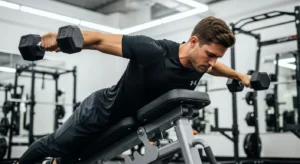
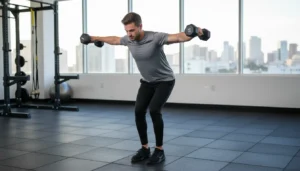
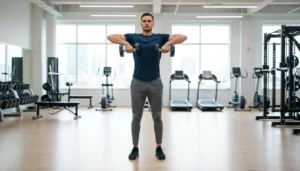
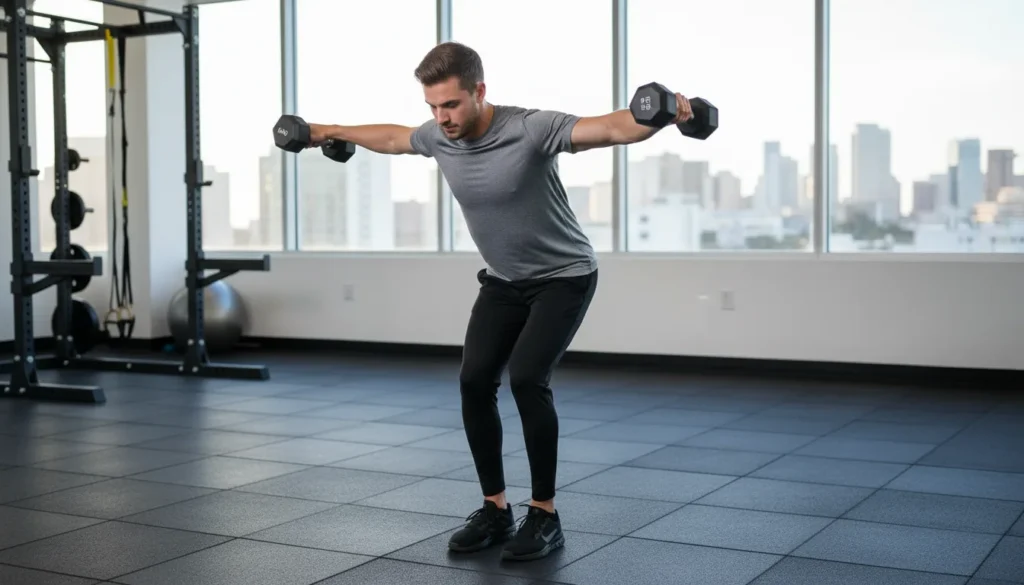
The dumbbell face pull is a compound pulling exercise performed with dumbbells instead of cables. It typically involves a bent-over position or an incline bench setup where the lifter pulls weights toward the upper face area while externally rotating the shoulders.
Unlike machine-based face pulls, the dumbbell version demands more stabilization, which increases engagement of supporting muscles in the shoulders, core, and upper back.
It is commonly used in:
- Shoulder rehabilitation programs
- Posture correction routines
- Upper back hypertrophy training
- Injury prevention warm-ups
Muscles Worked in Dumbbell Face Pull
The dumbbell face pull is a multi-muscle upper body exercise that activates both primary and stabilizing muscles.
Primary Muscles Targeted
- Posterior (rear) deltoids
- Middle trapezius
- Rhomboids
- Rotator cuff muscles (infraspinatus, teres minor)
These muscles are responsible for shoulder stability, scapular retraction, and external rotation .
Secondary Muscles Activated
- Lateral deltoids
- Biceps brachii (assisting role)
- Forearms (grip stability)
- Lower traps
Because multiple joints are involved, the movement also improves neuromuscular coordination in the upper body.
Benefits of Dumbbell Face Pull
1. Improves Shoulder Health
The exercise strengthens rotator cuff muscles that stabilize the shoulder joint, reducing the risk of injuries from heavy pressing movements.
2. Corrects Rounded Shoulder Posture
It counteracts forward shoulder posture caused by desk work and excessive chest training.
3. Builds Balanced Upper Body Development
Most people overtrain pushing muscles; face pulls restore balance by strengthening neglected rear delts.
4. Enhances Scapular Stability
Strong scapular control improves performance in exercises like bench press, pull-ups, and overhead press.
5. Reduces Injury Risk
Stronger rear delts and rotator cuff muscles help protect the shoulder joint during heavy lifting.
6. Improves Aesthetic Shoulder Shape
It develops the rear delt “cap,” making shoulders look wider and more athletic.
How to Do Dumbbell Face Pull (Step-by-Step)
Step 1: Set Your Position
- Use an incline bench (30–45 degrees) or hinge forward at hips
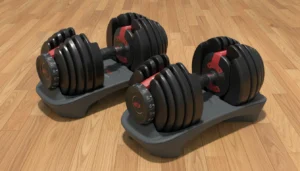
- Hold a dumbbell in each hand
- Let arms hang naturally toward the floor
Step 2: Engage Your Core
- Keep your spine neutral
- Tighten your abdominal muscles
- Avoid swinging or jerking movements
Step 3: Start the Pull
- Pull dumbbells upward toward upper face level
- Drive elbows high and outward
- Keep shoulders externally rotating
Step 4: Squeeze at the Top
- Pause briefly at peak contraction
- Focus on rear delts and upper back activation
Step 5: Controlled Lowering
- Slowly return dumbbells to starting position
- Maintain tension throughout the descent
Proper Form Tips for Dumbbell Face Pull
- Use light to moderate weight for full control
- Keep elbows higher than wrists during movement
- Avoid shrugging shoulders upward
- Do not use momentum or body swing
- Focus on mind-muscle connection with rear delts
- Maintain slow and controlled tempo
Proper form is essential because heavy weights often shift the load to the biceps and traps instead of the rear delts.
Common Mistakes to Avoid
1. Using Excessive Weight
Too much load reduces rear delt activation and increases injury risk.
2. Poor Elbow Position
Elbows dropping too low shifts tension away from target muscles.
3. Rushing the Movement
Fast repetitions reduce muscle engagement and increase momentum usage.
4. Shrugging Shoulders
This activates traps excessively and reduces rear delt isolation.
5. Incomplete Range of Motion
Short reps limit muscle development and shoulder mobility benefits.
Dumbbell Face Pull Variations
1. Incline Bench Face Pull
Provides better isolation and stability.
2. Bent-Over Face Pull
Requires more core activation and balance control.
3. Single-Arm Face Pull
Improves unilateral strength and muscle symmetry.
4. Resistance Band Face Pull
Great for warm-ups and home workouts.
Programming: Sets, Reps & Training Tips
For Beginners
- 2–3 sets
- 12–15 reps
- Light weight
For Muscle Growth (Hypertrophy)
- 3–4 sets
- 8–12 reps
- Moderate weight
For Shoulder Health & Endurance
- 2–3 sets
- 15–20 reps
- Very light weight
Training Frequency
- 2–3 times per week for best results
- Include on upper body or pull days
Who Should Do Dumbbell Face Pull?
- Beginners improving posture
- Athletes needing shoulder stability
- Gym-goers doing heavy pressing
- People with rounded shoulders
- Fitness enthusiasts building rear delts
Who Should Avoid or Modify It?
- Individuals with acute shoulder injuries
- People unable to maintain stable form
- Those using excessively heavy weights incorrectly
In such cases, resistance band face pulls are a safer alternative.
Dumbbell Face Pull vs Cable Face Pull
| Feature | Dumbbell Face Pull | Cable Face Pull |
|---|---|---|
| Equipment | Dumbbells | Cable machine |
| Stability | Lower | Higher |
| Difficulty | Moderate | Beginner-friendly |
| Muscle activation | Higher stabilizer demand | More isolated |
| Best for | Home workouts | Gym training |
Expert Insight
Exercise science and coaching principles consistently support rear delt and rotator cuff training as essential for shoulder longevity. Studies and fitness organizations emphasize that pulling movements like face pulls help restore muscular balance created by pressing exercises .
Coaches often include face pulls in corrective training because they strengthen overlooked stabilizing muscles that protect the shoulder joint under load.
Frequently Asked Questions (FAQs)
What muscles do dumbbell face pulls work?
They primarily target rear delts, traps, rhomboids, and rotator cuff muscles.
Are dumbbell face pulls effective?
Yes, they improve posture, shoulder stability, and upper back strength when done correctly.
How heavy should dumbbells be for face pulls?
Use light to moderate weights that allow full control and strict form.
Can beginners do dumbbell face pulls?
Yes, beginners can safely perform them with light weights and proper technique.
How often should I do face pulls?
Two to three times per week is ideal for most training programs.
Do face pulls help posture?
Yes, they strengthen muscles responsible for pulling shoulders back.
Should I feel face pulls in my rear delts?
Yes, rear delt activation should be the primary sensation.
Can I replace cable face pulls with dumbbells?
Yes, but dumbbells require more stabilization and control.