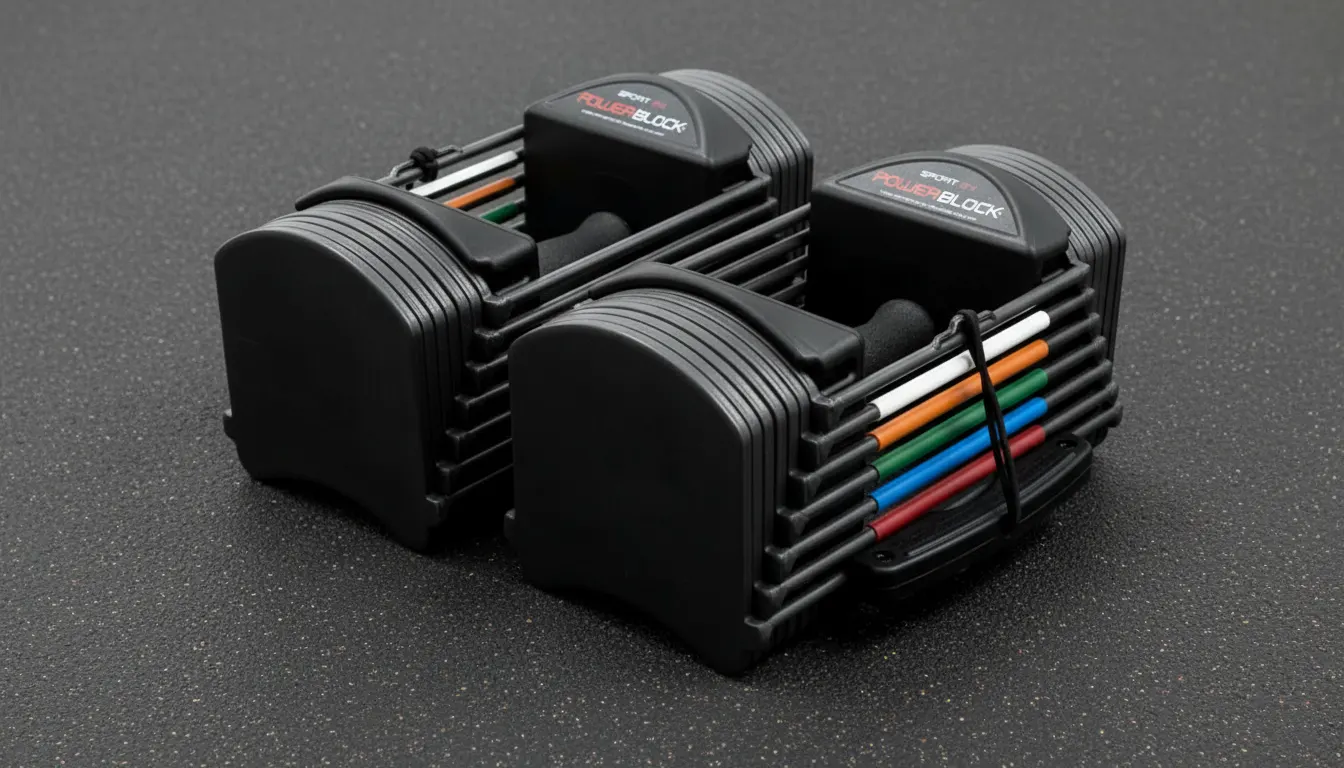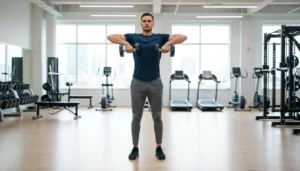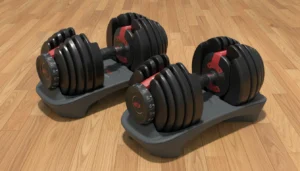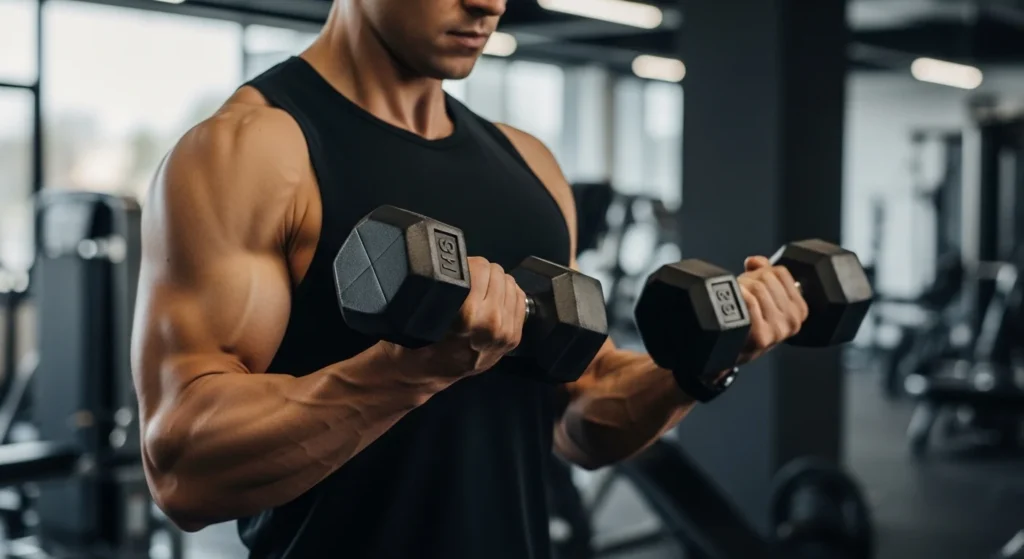
Dumbbells remain one of the most effective, accessible, and beginner-friendly tools for building strength, improving body composition, and developing functional fitness at home or in the gym. If you’re new to resistance training, this complete guide to dumbbell workouts for beginners will give you everything you need to start safely and progress confidently.
Why Dumbbell Workouts Are Perfect for Beginners
Starting your fitness journey can feel overwhelming, but dumbbells simplify everything while still delivering serious results.
Key Benefits of Dumbbell Training
- Versatility: You can train upper body, lower body, and core using a single pair of dumbbells
- Scalability: Weight can be increased gradually as strength improves
- Improved balance and coordination: Each side of the body works independently
- Space-efficient: Ideal for home workouts and small spaces
- Functional strength development: Mimics real-life movement patterns
Dumbbell workouts also allow beginners to focus on technique first, which reduces injury risk and improves long-term progress.
How to Start Dumbbell Workouts (Beginner Fundamentals)
Before jumping into exercises, understanding the basics ensures better results and fewer mistakes.
Choose the Right Weight
- Start light (2–5 kg or 5–10 lbs)
- Prioritize form over heavy lifting
- Increase weight gradually once movements feel controlled
Recommended Sets and Reps
| Goal | Sets | Reps |
|---|---|---|
| Strength & muscle | 2–3 | 8–12 |
| Endurance | 2–3 | 12–15 |
| Beginners baseline | 2–3 | 10–12 |
Weekly Workout Frequency
- 2–3 sessions per week
- Rest days between workouts
- Focus on full-body routines
Warm-Up (Essential)
A proper warm-up prepares joints and muscles for exercise.
- Arm circles
- Bodyweight squats
- Light cardio (5–10 minutes)
This reduces injury risk and improves performance.
13 Best Dumbbell Workouts for Beginners
These exercises are carefully selected to target all major muscle groups while being easy to learn and highly effective.
Goblet Squat
Muscles worked: Quads, glutes, core
The goblet squat is one of the best beginner exercises because it naturally teaches proper squat form while improving balance.
How to do it:
- Hold one dumbbell at chest level
- Keep your chest upright
- Lower into a squat
- Push through your heels to stand
This movement strengthens the lower body while reinforcing posture and core stability.
Dumbbell Chest Press
Muscles worked: Chest, shoulders, triceps
This is a foundational pushing movement for upper-body strength.
Steps:
- Lie on a bench or floor
- Hold dumbbells at chest level
- Press upward until arms extend
- Lower slowly
Controlled movement improves muscle engagement and reduces joint strain.
Bent-Over Dumbbell Row
Muscles worked: Back, biceps
This exercise builds a strong back and improves posture.
Steps:
- Bend slightly forward at the hips
- Keep your back straight
- Pull dumbbells toward your torso
- Squeeze shoulder blades
Proper form ensures maximum back activation and minimizes strain.
Dumbbell Shoulder Press
Muscles worked: Shoulders, triceps
A key exercise for upper-body strength and stability.
Steps:
- Hold dumbbells at shoulder height
- Press upward overhead
- Lower slowly
This movement enhances shoulder strength and coordination.
Dumbbell Romanian Deadlift
Muscles worked: Hamstrings, glutes
This teaches the hip hinge movement, essential for strength and injury prevention.
Steps:
- Hold dumbbells in front of thighs
- Push hips backward
- Lower weights along your legs
- Return to standing
Controlled tempo improves muscle activation and technique.
Dumbbell Lunges
Muscles worked: Legs, glutes
Lunges improve balance and unilateral strength.
Steps:
- Step forward with one leg
- Lower until both knees bend
- Push back to starting position
This exercise helps correct muscle imbalances.
Dumbbell Bicep Curl
Muscles worked: Biceps
A simple yet effective isolation exercise.
Steps:
- Hold dumbbells at your sides
- Curl upward
- Lower slowly
Focus on controlled movement rather than swinging.
Dumbbell Triceps Extensions
Muscles worked: Triceps
This targets the back of the arms.
Steps:
- Hold one dumbbell overhead
- Lower behind your head
- Extend arms upward
Maintaining elbow stability is key.
Dumbbell Lateral Raises
Muscles worked: Shoulders
This builds shoulder width and stability.
Steps:
- Raise dumbbells to the sides
- Keep a slight bend in elbows
- Lower slowly
Use light weights to avoid momentum.
Dumbbell Russian Twists
Muscles worked: Core
A beginner-friendly core strengthening exercise.
Steps:
- Sit with knees bent
- Hold a dumbbell
- Rotate side to side
This improves rotational strength and stability.
Dumbbell Step-Ups
Muscles worked: Quadriceps, glutes, calves
Dumbbell step-ups are excellent for building lower-body strength while improving balance and coordination, making them ideal for beginners.
How to do it:
- Hold a dumbbell in each hand
- Stand in front of a sturdy bench or platform
- Step one foot onto the surface
- Push through your heel to lift your body up
- Step back down slowly and repeat
This exercise mimics real-life movements like climbing stairs, which improves functional fitness and stability.
Dumbbell Floor Press
Muscles worked: Chest, triceps, shoulders
The floor press is a safer alternative to the traditional bench press, especially for beginners who are still learning control and range of motion.
How to do it:
- Lie flat on the floor with dumbbells in hand
- Bend your knees and keep feet flat
- Press the dumbbells upward until arms are extended
- Lower until your elbows gently touch the floor
This movement limits shoulder strain while still building upper-body pushing strength.
Dumbbell Deadlift to Row
Muscles worked: Back, glutes, hamstrings, core
This compound movement combines two powerful exercises into one, making it highly efficient for beginners.
How to do it:
- Hold dumbbells in front of your thighs
- Perform a deadlift by hinging at the hips
- At the bottom, row the dumbbells toward your torso
- Lower the weights and return to standing
This exercise improves coordination while training multiple muscle groups at once, helping beginners develop strength faster.
Beginner Dumbbell Workout Plan (Full Body)
Here’s a simple weekly routine using the exercises above.
Day 1 (Full Body Strength)
- Goblet Squat – 3×10
- Chest Press – 3×10
- Bent-Over Row – 3×10
- Shoulder Press – 2×10
Day 2 (Rest or Active Recovery)
- Walking or light cardio
Day 3 (Strength + Conditioning)
- Lunges – 3×10 per leg
- Romanian Deadlift – 3×10
- Bicep Curl – 2×12
- Triceps Extension – 2×12
Day 4 (Rest)
Day 5 (Full Body + Core)
- Squat to Press – 3×10
- Lateral Raises – 2×12
- Russian Twists – 3×15
This structure trains all major muscle groups efficiently and builds a solid foundation.
Key Tips for Beginners
Focus on Form First
Poor technique increases injury risk and slows progress.
Use Progressive Overload
Gradually increase weight, reps, or sets to continue improving.
Rest and Recovery Matter
Muscles grow during recovery, not just during workouts.
Keep Workouts Consistent
Consistency matters more than intensity for beginners.
Avoid Ego Lifting
Choose weights you can control rather than impressively heavy ones.
Common Beginner Mistakes to Avoid
- Skipping warm-ups
- Using weights that are too heavy
- Rushing through repetitions
- Ignoring rest days
- Not following a structured plan
Each of these mistakes can limit progress and increase the chance of injury.
Benefits of Dumbbell Workouts for Beginners
Dumbbell training offers both physical and mental benefits:
- Builds lean muscle
- Improves metabolism
- Enhances coordination
- Strengthens bones
- Supports fat loss
- Boosts confidence
Even short, consistent sessions can deliver noticeable results over time.
Frequently Asked Questions (FAQs)
How heavy should beginners start with dumbbells?
Beginners should start with light weights that allow proper form, typically 2–5 kg depending on the exercise.
How often should beginners do dumbbell workouts?
Two to three times per week is ideal for building strength while allowing recovery.
Can I build muscle with only dumbbells?
Yes, dumbbells can effectively build muscle when combined with progressive overload and proper nutrition.
How long should a beginner workout last?
A typical session should last 30–45 minutes, including warm-up and cool-down.
Should beginners train full body or split workouts?
Full-body workouts are best for beginners because they maximize efficiency and frequency.
How long does it take to see results?
Most beginners notice strength improvements within 2–4 weeks and visible changes in 6–8 weeks.
Are dumbbells better than machines for beginners?
Dumbbells are often better because they improve balance, coordination, and natural movement patterns.
Do I need a bench for dumbbell workouts?
No, many exercises can be done on the floor, making dumbbells highly accessible.
Considering a premium upgrade for your home gym? Don’t miss this NÜOBELL Adjustable Dumbbell Review to see if it lives up to the hype.