
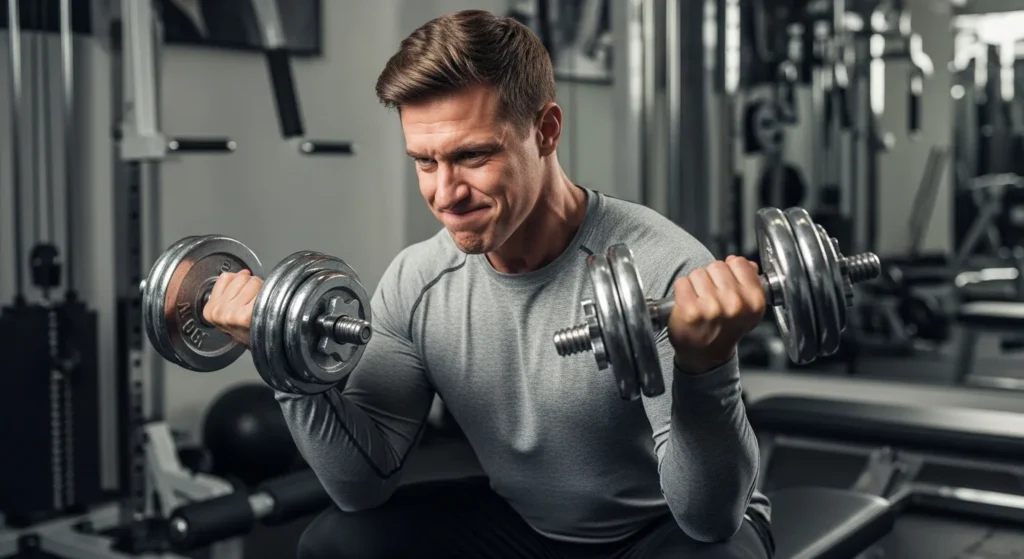
If you’re looking for a powerful, time-efficient way to build muscle, burn fat, and improve overall fitness, a full body workout with dumbbells is one of the smartest choices you can make.
Dumbbells are incredibly versatile. They allow you to train every major muscle group, improve balance, correct muscle imbalances, and work out anywhere, whether at home or in the gym.
Why Choose a Full Body Workout With Dumbbells?
A full body workout with dumbbells targets multiple muscle groups in a single session, making it highly efficient.
Key Benefits
1. Trains Every Muscle Group
You can hit your chest, back, legs, shoulders, arms, and core in one session.
2. Builds Strength and Muscle
Dumbbells support progressive overload, which is essential for muscle growth.
3. Improves Balance and Coordination
Since each side works independently, your stabilizer muscles are constantly engaged.
4. Ideal for Home Workouts
No machines required—just a pair of dumbbells.
5. Saves Time
Perfect for busy individuals who want maximum results in minimal time.
Top 11 Full Body Workout With Dumbbells
Dumbbell Goblet Squat
Muscles Worked: Quads, glutes, hamstrings, core
How to Do It:
- Hold one dumbbell close to your chest
- Lower into a squat
- Keep chest upright and knees tracking forward
- Push through heels to stand up
Why It’s Effective:
A foundational lower-body movement that also engages your core for stability.
Dumbbell Romanian Deadlift (RDL)
Muscles Worked: Hamstrings, glutes, lower back
Steps:
- Hold dumbbells in front of thighs
- Hinge at hips (not knees)
- Lower weights while keeping back straight
- Return to standing
Pro Tip: Focus on stretching your hamstrings during the descent.
Dumbbell Bench Press (or Floor Press)
Muscles Worked: Chest, triceps, shoulders
Instructions:
- Lie on a bench or floor
- Press dumbbells upward
- Lower slowly to chest level
This is one of the most effective upper-body pressing movements.
Bent-Over Dumbbell Rows
Muscles Worked: Back, biceps, rear delts
Steps:
- Hinge forward at hips
- Pull dumbbells toward your torso
- Squeeze shoulder blades together
Why It Matters:
Essential for posture and back strength.
Dumbbell Shoulder Press
Muscles Worked: Shoulders, triceps
How to Perform:
- Start with dumbbells at shoulder height
- Press overhead until arms are straight
- Lower with control
Dumbbell Lunges
Muscles Worked: Quads, glutes, hamstrings
Execution:
- Step forward into a lunge
- Lower your back knee
- Push back to starting position
Variation: Reverse lunges for better knee safety.
Renegade Rows
Muscles Worked: Core, back, shoulders
Steps:
- Get into plank position holding dumbbells
- Row one arm at a time
- Keep hips stable
This combines core stability with upper-body pulling strength.
Dumbbell Thrusters (Squat to Press)
Muscles Worked: Full body (legs, shoulders, core)
How to Do It:
- Perform a squat
- As you stand, press dumbbells overhead
Why It’s Powerful:
A high-intensity compound movement that boosts strength and conditioning.
Dumbbell Bicep Curls
Muscles Worked: Biceps
Steps:
- Curl dumbbells upward
- Keep elbows close to body
- Lower slowly
Dumbbell Triceps Extensions
Muscles Worked: Triceps
Instructions:
- Hold dumbbell overhead
- Lower behind your head
- Extend arms upward
Dumbbell Russian Twists
Muscles Worked: Core, obliques
Steps:
- Sit on the floor holding a dumbbell
- Twist side to side
- Keep core engaged
Complete Full Body Workout Plan With Dumbbells
Here’s a structured routine using the exercises above.
Beginner Workout Plan
| Exercise | Sets | Reps |
|---|---|---|
| Goblet Squat | 3 | 10–12 |
| Dumbbell Bench Press | 3 | 8–12 |
| Bent-Over Rows | 3 | 10 |
| Shoulder Press | 3 | 10 |
| Russian Twists | 3 | 15 |
Intermediate Plan
- Perform as a circuit (3–4 rounds)
- Goblet Squats – 12 reps
- RDL – 10 reps
- Bench Press – 10 reps
- Renegade Rows – 8/side
- Lunges – 10/leg
- Shoulder Press – 10 reps
Advanced Plan (Fat Loss + Strength)
- 4 rounds
- Minimal rest
- Dumbbell Thrusters – 12
- Renegade Rows – 10
- Lunges – 12
- RDL – 12
- Russian Twists – 20
Weekly Training Schedule
For best results:
- 3–4 days per week
- Rest day between sessions
- Combine with light cardio or mobility work
Experts recommend training full body routines 2–3 times weekly for optimal recovery and growth.
Key Tips for Maximum Results
1. Focus on Progressive Overload
Increase weight gradually as you get stronger.
2. Master Proper Form First
Avoid injury and improve efficiency.
3. Choose the Right Weight
Pick weights that challenge you in the last few reps.
4. Control Your Tempo
Slow reps = more muscle tension.
5. Don’t Skip Warm-Ups
Warm-ups improve performance and reduce injury risk.
Common Mistakes to Avoid
- Using too heavy weights too soon
- Ignoring form for more reps
- Skipping lower body exercises
- Not engaging the core
- Overtraining without recovery
Who Should Do a Full Body Dumbbell Workout?
This training style is perfect for:
- Beginners starting strength training
- Busy professionals
- Home workout enthusiasts
- Fat loss seekers
- Athletes needing functional strength
Full Body Workout vs Split Training
| Full Body Workout | Split Training |
|---|---|
| Trains all muscles each session | Focuses on one muscle group |
| Time-efficient | Requires more days |
| Ideal for beginners | Better for advanced lifters |
| Higher calorie burn | More recovery per muscle |
Frequently Asked Questions (FAQs)
Is a full body workout with dumbbells effective?
Yes. It builds muscle, burns fat, and improves overall fitness using minimal equipment.
How many times per week should I do it?
2–4 times per week is ideal for most people.
Can I build muscle with just dumbbells?
Yes. With progressive overload and proper nutrition, dumbbells are enough for muscle growth.
What weight should I start with?
Start light and increase gradually. The last few reps should feel challenging but controlled.
How long should a workout last?
30–45 minutes is sufficient for a full body session.
Are dumbbells better than machines?
Dumbbells improve balance and coordination, making them more functional than machines.
Can beginners do full body workouts?
Yes. They are actually ideal for beginners.
Do I need a bench?
No. Many exercises (like floor press) can be done without a bench.
Is it good for fat loss?
Yes. Full body workouts burn more calories due to multiple muscle engagement.